
How Smart Building Automation is Revolutionizing Hotel Operating Costs
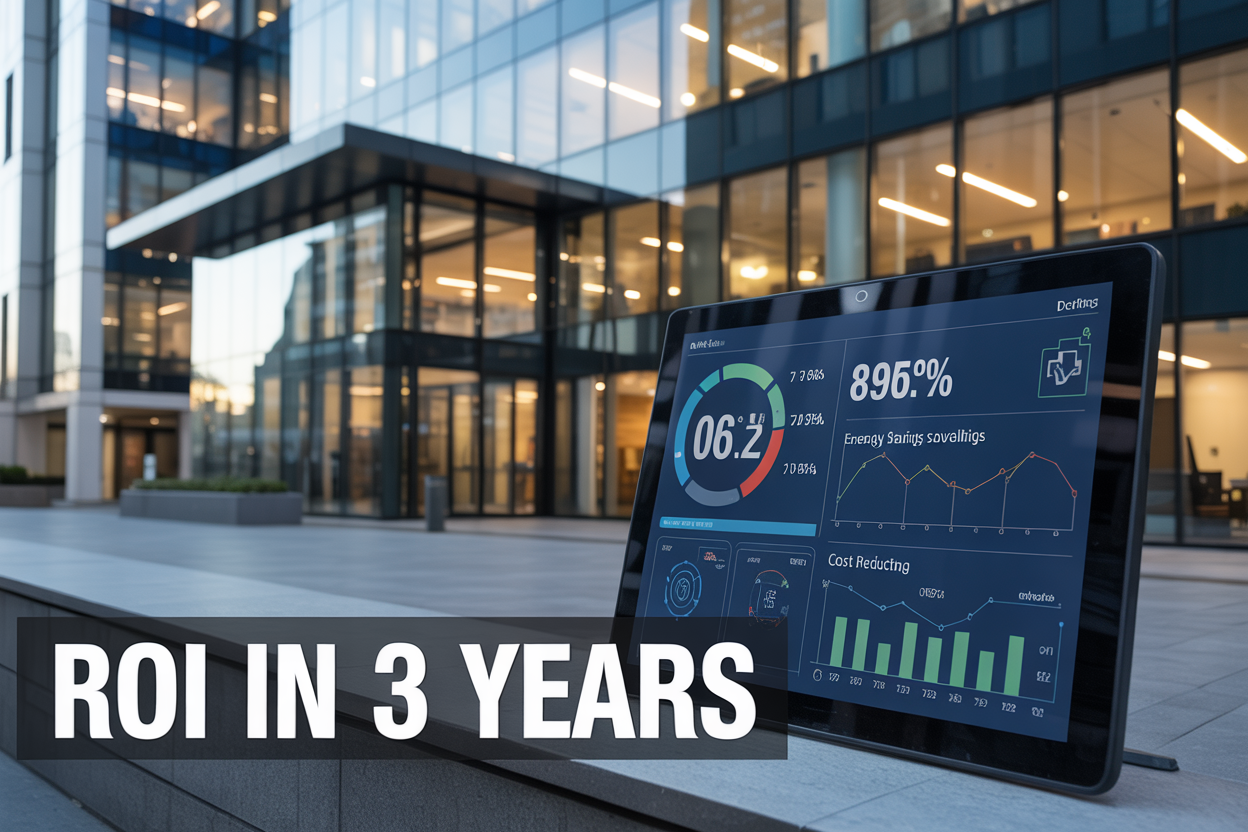
Hotel owners and property managers constantly search for ways to cut operating costs while improving guest experience. A smart building automation system delivers exactly that—typically paying for itself within three years through significant energy savings and operational improvements.
This comprehensive ROI analysis is designed for hospitality professionals evaluating building automation investments, from boutique hotel owners to large chain operators managing multiple properties.
We’ll explore how building automation reduces hotel operating costs through three key areas: dramatic energy cost reduction via intelligent HVAC automation and smart energy management, substantial operational efficiency gains that reduce labor expenses, and enhanced equipment performance that extends asset life while minimizing maintenance costs. You’ll also discover proven methods for quantifying these financial benefits to build a compelling business case for your next automation project.
Understanding Building Automation System ROI Fundamentals
Initial Investment vs Long-Term Savings Analysis
Understanding smart building automation system ROI begins with evaluating upfront capital expenditure against cumulative savings over time. Hotel automation systems typically require initial investments ranging from $2-8 per square foot, depending on system complexity and integration depth. However, these costs are offset by substantial reductions in energy consumption, operational expenses, and maintenance requirements. Benefits of automation in hotel MEP systems include decreased utility bills, reduced labor costs, and improved equipment efficiency that compound annually, creating a positive cash flow trajectory within the first operational year.
Key Performance Metrics That Drive Payback
Critical metrics for measuring hotel BMS pays for itself include energy consumption reduction percentages, operational cost savings per room, and maintenance expense decreases. HVAC automation for hotels typically delivers 15-30% energy savings, while smart energy management in hospitality buildings reduces overall operational costs by 20-25%. Equipment runtime optimization, predictive maintenance scheduling, and automated demand response capabilities serve as primary drivers for achieving rapid payback periods in hospitality environments.
Industry Benchmarks for 3-Year ROI Achievement
Hospitality industry data consistently demonstrates that intelligent MEP planning for hotels achieves payback within 36 months when properly implemented. Hotel automation systems and operational efficiency benchmarks show average ROI of 125-150% over three years, with energy savings contributing 60-70% of total returns. Smart building technology for hospitality projects that focus on integrated HVAC, lighting, and security systems typically outperform single-system implementations, achieving faster payback through comprehensive operational optimization and enhanced guest experience delivery.
Energy Cost Reduction Through Smart Automation
HVAC Optimization and Demand-Based Control
Smart building automation systems deliver substantial energy cost reduction through intelligent HVAC automation for hotels, automatically adjusting temperature, ventilation, and air conditioning based on real-time occupancy data. These demand-based controls eliminate energy waste in unoccupied spaces while maintaining optimal comfort levels in active areas. Advanced sensors monitor room occupancy patterns, outdoor weather conditions, and internal heat loads to optimize system performance. The smart energy management in hospitality buildings typically reduces HVAC energy consumption by 20-30%, representing the largest component of overall building automation system energy savings. Automated scheduling, zone-based climate control, and predictive maintenance alerts further enhance operational efficiency while extending equipment lifespan.
Intelligent Lighting Systems and Occupancy Sensors
Building automation reduces hotel operating costs through sophisticated lighting control systems that integrate occupancy sensors, daylight harvesting, and automated dimming capabilities. These intelligent MEP planning for hotels solutions automatically adjust lighting levels based on natural light availability and room occupancy status. Motion sensors detect presence in corridors, meeting rooms, and guest areas, instantly turning lights on when needed and off when spaces become vacant. Smart lighting systems can reduce electricity consumption by 25-40% compared to traditional manual controls. Advanced scheduling features ensure common areas maintain appropriate lighting levels during peak hours while minimizing energy usage during low-occupancy periods.
Peak Load Management and Utility Rate Optimization
Hotel automation systems and operational efficiency converge through strategic peak load management capabilities that monitor and control energy demand during utility rate peak hours. Smart building technology for hospitality projects automatically shifts non-critical electrical loads to off-peak periods, reducing demand charges that can represent 30-50% of monthly electricity bills. The building automation system for energy savings coordinates equipment operation schedules, staggers startup sequences, and temporarily reduces non-essential systems during peak demand periods. Real-time utility rate monitoring enables automatic load shedding when rates spike, while energy storage systems can be deployed during off-peak hours to offset peak consumption costs.
Operational Efficiency Gains and Labor Savings
Predictive Maintenance Reducing Downtime Costs
Now that we have covered energy cost reduction, smart building automation systems deliver substantial operational efficiency gains through predictive maintenance capabilities. Hotel BMS pays for itself by eliminating unexpected equipment failures that can cost thousands in emergency repairs and guest dissatisfaction. Intelligent MEP planning for hotels incorporates sensors that monitor equipment performance in real-time, identifying potential issues before they become costly breakdowns. This proactive approach significantly reduces downtime costs while extending equipment lifespan.
Automated Monitoring Eliminating Manual Inspections
Building automation system for energy savings extends beyond utilities to labor cost reduction. Smart building automation system ROI includes eliminating time-consuming manual inspections through continuous automated monitoring. Hotel automation systems and operational efficiency improve dramatically when staff can focus on guest services rather than routine equipment checks. Automated systems provide 24/7 surveillance of critical building systems, ensuring optimal performance without constant human intervention.
Streamlined Facility Management Operations
Smart building technology for hospitality projects transforms facility management through centralized control systems. How building automation reduces hotel operating costs becomes evident through streamlined operations that require fewer staff hours for routine maintenance tasks. Benefits of automation in hotel MEP systems include unified dashboards that allow single-operator management of multiple building systems. HVAC automation for hotels exemplifies this efficiency, enabling remote adjustments and scheduling that optimize both energy consumption and staff productivity throughout the property.
Enhanced Asset Performance and Equipment Longevity
Preventing Costly Equipment Failures Through Early Detection
Smart building automation systems excel at continuously monitoring critical MEP equipment, identifying potential issues before they escalate into expensive failures. Through real-time data collection and predictive analytics, these systems detect irregular patterns in HVAC performance, unusual vibrations in motors, or temperature fluctuations that signal impending problems. This proactive approach prevents catastrophic equipment breakdowns that could cost thousands in emergency repairs and lost revenue from system downtime.
Optimizing Equipment Runtime for Extended Lifespan
Building automation systems intelligently manage equipment operation cycles, ensuring HVAC units and other mechanical systems run only when needed and at optimal efficiency levels. By automatically adjusting runtime schedules based on occupancy patterns and environmental conditions, these systems prevent unnecessary wear and tear that shortens equipment lifespan. This smart energy management in hospitality buildings can extend equipment life by 20-30%, significantly reducing premature replacement costs.
Reducing Emergency Repair and Replacement Expenses
With enhanced monitoring capabilities, hotel BMS pays for itself by dramatically reducing unplanned maintenance events. The system’s ability to schedule maintenance during off-peak hours and prevent emergency breakdowns translates to substantial cost savings. Emergency repairs typically cost 3-5 times more than planned maintenance, making the benefits of automation in hotel MEP systems particularly valuable for maintaining predictable operating budgets while maximizing equipment reliability.
Quantifying Financial Benefits and Building Your Business Case
Calculating Energy Savings and Utility Bill Reductions
Establishing accurate baseline measurements before implementing your smart building automation system ROI calculations requires comprehensive energy auditing. Document current utility consumption patterns, peak demand charges, and seasonal variations to create reliable benchmarks. Track HVAC automation systems’ impact on energy consumption monthly, measuring reductions in electricity, gas, and water usage. Calculate percentage decreases in utility bills by comparing pre- and post-automation periods, focusing on building automation system for energy savings metrics that demonstrate clear financial returns.
Measuring Productivity Gains and Operational Cost Savings
Quantify operational efficiency improvements by measuring reduced maintenance calls, faster response times to system issues, and decreased manual intervention requirements. Hotel automation systems and operational efficiency gains include streamlined staff workflows, automated scheduling systems, and predictive maintenance capabilities that minimize downtime. Document labor cost savings from automated processes, reduced overtime expenses, and improved staff allocation efficiency. Track facility management productivity increases through centralized control systems that enable one operator to manage multiple building functions simultaneously.
Documentation Strategies for Tracking ROI Progress
Implement systematic data collection protocols using building management dashboards that provide real-time performance metrics. Create monthly ROI reports comparing actual savings against projected returns, incorporating smart energy management in hospitality buildings performance indicators. Establish key performance indicators (KPIs) for energy consumption, maintenance costs, and operational efficiency to validate your hotel BMS pays for itself business case. Maintain detailed records of system upgrades, performance improvements, and cost reductions to demonstrate ongoing value creation to stakeholders.
Conclusion
The financial evidence is clear: building automation systems deliver measurable returns through reduced energy costs, improved operational efficiency, extended equipment life, and significant labor savings. When you combine these benefits with enhanced asset performance and streamlined maintenance processes, the three-year payback period becomes not just achievable, but conservative for most commercial properties.
The real question isn’t whether you can afford to implement a smart building automation system—it’s whether you can afford not to. Every month of delay means continued energy waste, higher operational costs, and missed opportunities for efficiency gains. Start building your business case today by quantifying your current energy and operational expenses, then work with automation professionals to map out your specific ROI timeline. The technology exists, the benefits are proven, and your building’s transformation into a smart, profitable asset is just one decision away.