
Think Like a Strategist: The Feasibility-First Mindset for Hotel Developers
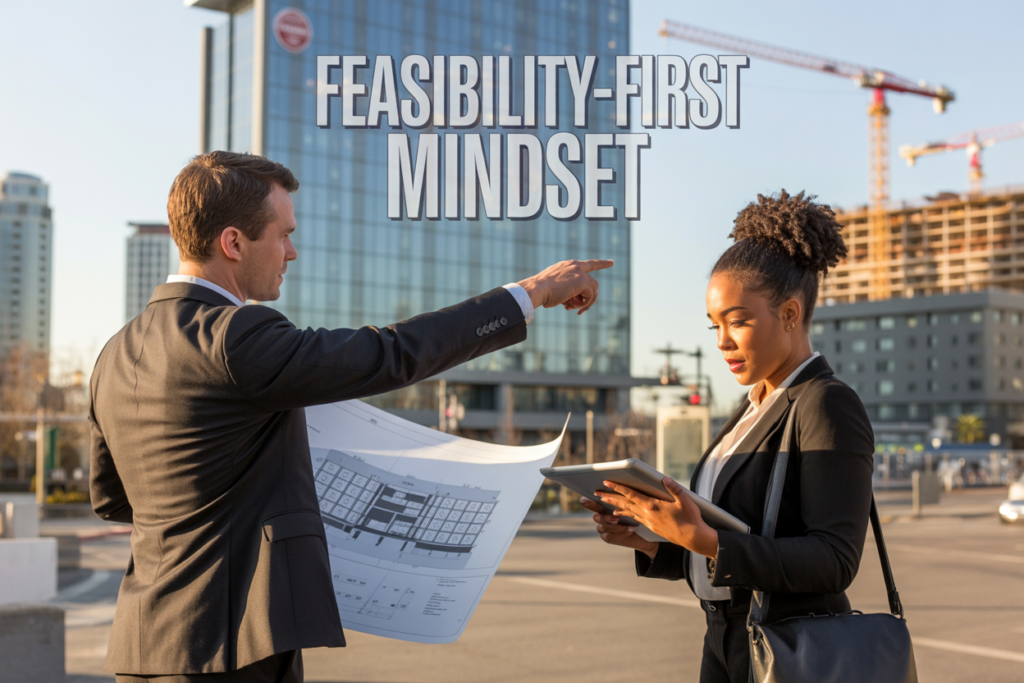
Have you ever contemplated the process of constructing a hotel from its inception? It’s not just about finding the right place or having a lot of money. The idea of “feasibility-first” comes into play here because it’s all about having a strategic mindset. You might be wondering what all of this means. Let’s get started.
Comprehending the Feasibility-First Approach

The feasibility-first way of thinking is all about figuring out if a hotel project is possible before starting work on it. Doesn’t it sound easy? But many developers don’t think about this step. This method means looking more closely at things like market demand, financial projections, and rules before making any real decisions.
Consider preparing for the big test by treating it like a homework assignment. You wouldn’t want to take a test without being ready, would you? The same is true for building hotels. By making feasibility their top priority, developers can avoid making expensive mistakes and save themselves a lot of trouble in the future.
Why Is This Way of Thinking Important for Hotel Developers?

Subsequently, why should hotel developers start thinking this way? First of all, it helps you find possible problems early on. Imagine putting millions into a project only to find out that the area can’t handle another hotel. It’s not a pretty picture, is it?
This method also lets developers tweak their business model to better fit the needs of their target market. It’s like making a suit; you need to get the measurements just right for it to fit perfectly. Furthermore, knowing how the market works helps developers build a hotel that meets customer needs and makes the most money.
Real-Life Examples of Success with Feasibility-First

Let’s talk about some examples from real life. For example, there was a hotel developer who was interested in a busy part of downtown. It looked like the perfect place on paper. But after doing a feasibility study, they found out that the market was too full. Instead of continuing with the project, they moved it to a nearby suburb where there was more demand and less competition. What happened? The result was a bustling hotel that swiftly gained popularity among the local population.
In another case, a developer wanted to build a high-end resort in a place that was difficult to get to. The feasibility study indicated that the location was beautiful, but the lack of infrastructure and easy access would keep potential guests away. With this information in hand, the developer moved their attention to an area with easier access, which would guarantee a steady flow of visitors and successful operations.
How to Think About Feasibility First
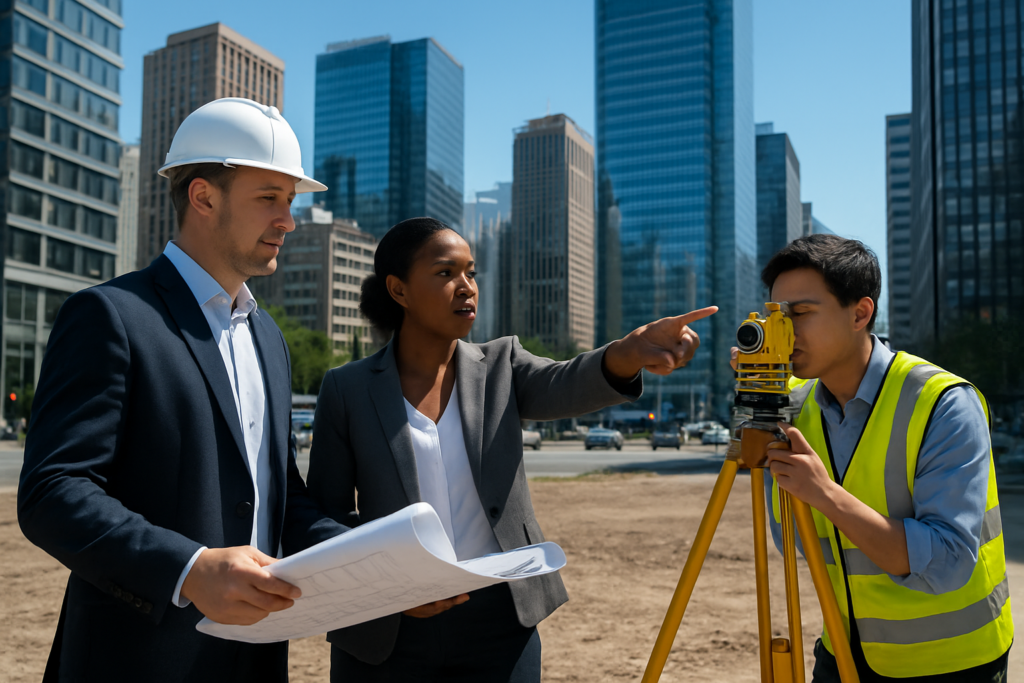
Okay, you believe me. But how do you really get into this way of thinking? First things first, get some information. A lot of it. Market research, competitor analysis, and financial projections are your new best allies. It’s like putting together a puzzle, and every piece is important.
Then, talk to the people who have a stake in the project. Talk to the people in charge of your area, possible investors, and even future customers. Their thoughts can be very helpful. And please keep in mind that being flexible is important. We love a good plan, but occasionally you have to change it to fit the situation. The best strategists are those who can change their plans when they need to.
Common Problems and How to Fix Them

There are always problems with any plan. One common problem is the urge to hurry things along. In today’s fast-paced world, developers often feel like they have to move quickly. But being patient is a beneficial thing. Doing thorough feasibility studies can help you avoid expensive mistakes.
Then there’s the problem of bias. It’s easy to get attached to a certain idea or place. But please keep in mind that the goal is to make choices based on facts, not feelings. Be open-minded and be ready to change your plans if the feasibility study says you should.
The Wider Effects of a Mindset that prioritises Feasibility

Developers should prioritise feasibility, as it also impacts the community and environment. Developers can ensure that their hotel projects help the local economy and society by carefully contemplating how they might affect the area. These improvements could mean making jobs, helping local businesses, or even encouraging eco-friendly tourism practices.
For example, a developer might find out through their feasibility study that a certain area can support a hotel that focuses on being beneficial for the environment. This information could help create a hotel that not only meets the needs of the market but also sets a beneficial example for how to be environmentally responsible. This way, a feasibility-first approach protects the developer’s money and encourages a business model that is more socially responsible and sustainable.
Long-Term Success through Ongoing Evaluation
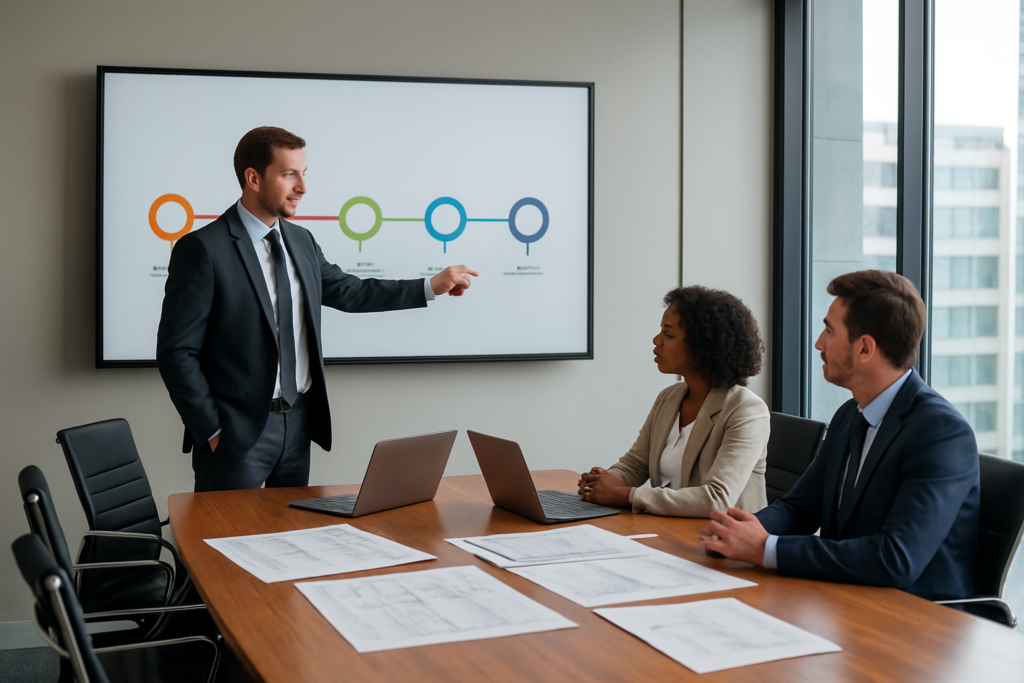
One thing that people often forget about the feasibility-first mindset is how important it is to keep evaluating things. The rules and the market are always changing, so what was possible a few years ago might not be possible now. Because of this, smart developers know that feasibility isn’t something you do once and then forget about.
This entails monitoring the market, acquiring knowledge about new regulations, and remaining receptive to innovative concepts. For instance, new technologies in the hospitality industry can open up new ways to make guests’ stays better or make operations run more smoothly. A hotel that is adaptable and willing to change is more likely to succeed.
FAQs: A Mindset of Feasibility First

Could you please explain what a feasibility study is? A feasibility study is an analysis that looks at whether a proposed project is possible. It looks at things like market demand, the project’s ability to make money, and the rules that must be followed to see if it is likely to be successful.
Could you please let me know the typical duration for completing a feasibility study? The length of a feasibility study can change based on how complicated the project is. But it usually takes a few weeks to a few months to finish most studies. Please take your time with this process to ensure you fully understand everything before making a decision.
Would it be possible for me to do a feasibility study on my own? You can do a basic feasibility study on your own, but it’s usually better to work with professionals who know a lot about this field. Consultants who have worked on hotel development can give you useful information and advice to make sure that your analysis is complete.
To sum up, hotel developers who want to be successful need to think like strategists and put feasibility first. Developers can deal with possible problems and make smart choices that lead to successful hotel projects by putting feasibility studies first and being open to change. Therefore, the next time you consider initiating a hotel project, pause, consider its feasibility, and proceed confidently. A good plan is the basis for any successful project.