

The chores, permissions, and decisions for a hotel project can be daunting. This step-by-step guide makes it easy for anyone who wants to own a hotel, build real estate, or start a hospitality business to understand the whole process of developing a hotel project.
You’ll learn how to plan and build a hotel project from the first idea to the grand opening. We’ll talk about the most important things you need to know about hotel design and construction management that will help you stay on track and within your budget. Lastly, you’ll learn about tried-and-true ways to set up operations and manage staff that will make sure your launches go off without a hitch from day one.
Don’t hire expensive consultants or make mistakes that cost a lot. Get the plan that breaks down the complicated process of building a hotel into steps you can follow.
Planning, Feasibility, and Investment

Define the project’s goals and limits
The first step to managing a hotel project well is to set clear goals and scope. You need to know who your hotel’s target market is, how many guests you expect to have, and what level of service you want to offer to create a targeted development framework. Set key performance indicators, operational goals, and financial targets that are in line with how you want to run a hospitality project. This first step in planning hotel development makes sure that everyone knows what the project is trying to do and where it is going.
Do research on the market and see if the idea is possible
The most important thing you can do to make your hotel business successful is to study the market thoroughly. To make sure your hotel project development is sound, look at the competition in the area, tourism trends, and demographic data. Check the business’s finances by looking at seasonal occupancy trends, average daily prices, and shifts in market demand. This important step in your full hotel project guide makes sure that your idea fits with what the market needs and what you want to make money from.
Set the budget and the time limits
The most important thing to do to finish a hotel building project is to make plans for the budget and timeline that are realistic. Make detailed estimates of how much it will cost to build, buy equipment, open a business, and have enough working capital. Make a schedule based on milestones that takes into account how long it takes to get permits, build things, and hire people. During this time, hotels that are well managed don’t have to deal with cost overruns and delays that often happen with hotel developments.
Pick the best location and site needs
Picking the right spot for your hotel is essential for its long-term success and smooth running. Check the ease of access to transport hubs, proximity to attractions, and infrastructure quality, like utilities and parking. When you’re working on a hotel project, keep in mind zoning laws, the environment, and plans for the area’s future growth. These things could affect how valuable your property is and how appealing it is to guests.
Designs for hotels, such as architecture, interiors, and MEP
Create Architectural Plans and Interior Design Concepts
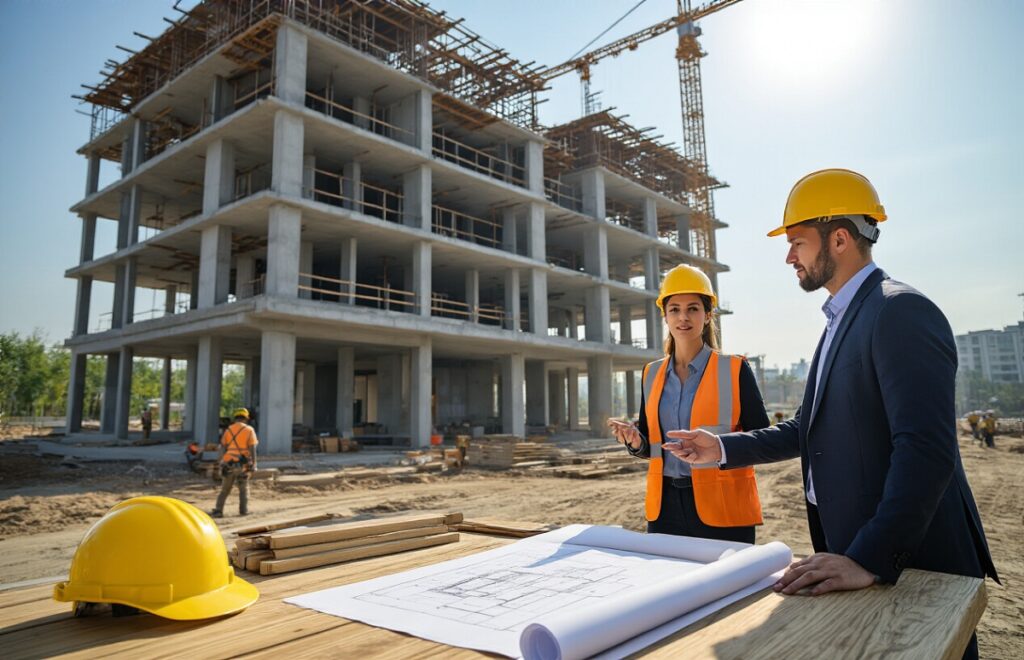
Once you know the basics of hotel project management, you need to make detailed architectural drawings to finish the hotel building project successfully. Architects have to find a balance between how appealing something looks and how well it works for guests. They also have to think about brand-specific needs and eco-friendly design elements. When designing a building’s interior, consider your target market’s preferences and how to optimise the space.
Get the licences and approvals you need
Before you can build a hotel, you have to follow many rules and regulations in many different places. It takes a lot of paperwork and coordination between everyone involved to get building permits, fire safety certifications, approvals for accessibility compliance, and licences for hospitality businesses. Getting in touch with local officials early on in the process of managing a hospitality project helps avoid costly delays and makes sure that all rules are followed.
Make sure the construction is done on time and to a high standard
Effective management of a hotel building project requires meticulous planning and vigilant quality control. Regular inspections, clear communication between contractors, suppliers, and design teams, and tracking progress based on milestones all help make sure that a project is finished on time, within budget, and to the required quality standards.
Please ensure the hotel’s technology and systems are prepared
To set up a modern hotel, you need to use advanced technology during the building process. When putting in property management systems, guest Wi-Fi networks, security cameras, energy management controls, and communication infrastructure, technology vendors and construction teams need to work together to make sure everything is ready to go when it’s done.
Buying: OS&E, furniture, fixtures, plants and machinery
Strategic Sourcing for Your Project
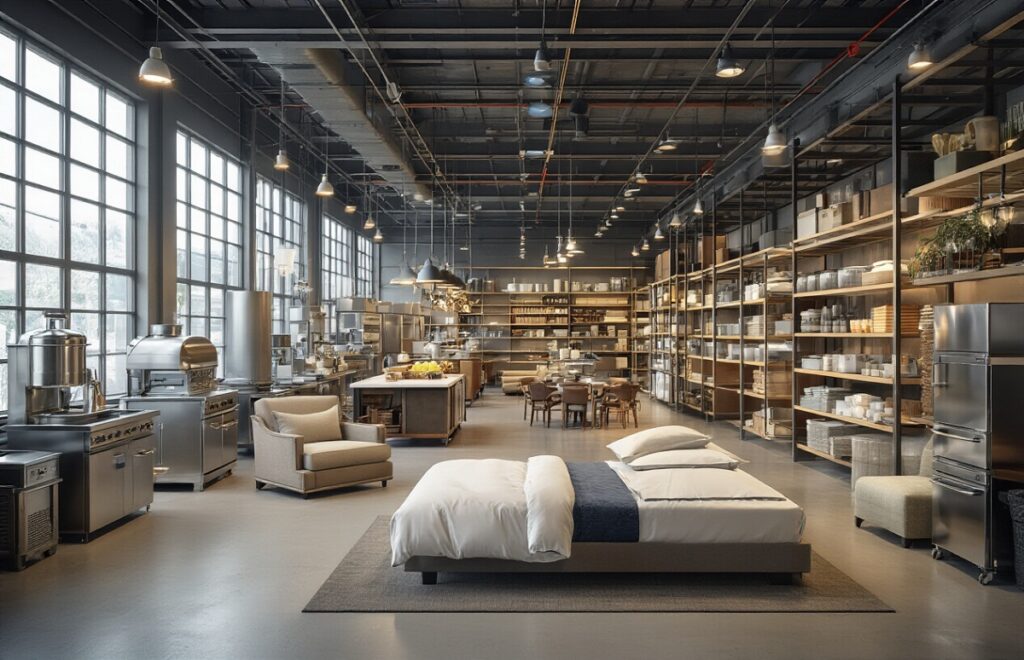
Smart buying turns your hotel project from an idea into a real thing. Work with specialised suppliers for kitchen equipment, HVAC systems, and laundry facilities to make sure your business runs smoothly. The furniture you pick has a direct impact on how your guests feel. Get the right balance between how long it will last and how appealing it looks. OS&E purchasing requires careful planning of the inventory, which can include anything from linens to glassware. As soon as you start planning your hotel development, you should start making connections with vendors. These contacts will help you get the best prices and delivery times that work with your opening date.
Various types of tools and select the most suitable ones
Category | Things You Should Think About | Effect on the budget |
Kitchen Tools | Planning for energy efficiency and capacity | 15 – 20% of all purchases |
HVAC | The comfort of guests and the costs of running the business | 20 – 25% of all purchases |
Furniture | Establishing a brand’s position and ensuring its longevity | 25 – 30% of all purchases |
Technology’s Infrastructure | What guests expect and how well things work | 10–15% of all purchases |
You need to plan deliveries around construction milestones to make sure your hotel building project goes smoothly. There are certain steps to follow when setting up and testing commercial-grade equipment. To avoid costly delays, work with your hospitality project management team to set deadlines for when you need to buy things. Quality control checks at delivery protect your money and make sure you obey the rules of the hospitality business.
Ensure that you take care of vendors and maintain quality standards
Find out about manufacturers who know how to run a hotel. Get clear on the terms of the warranty, the maintenance support agreement, and the exact specs up front. Your full hotel project guide should have vendor scorecards that record how well they deliver, the quality of their products, and how well they help customers after the sale. Getting quotes from several suppliers helps keep costs down while still meeting quality standards that are important for keeping visitors happy and running a business well.
Getting Ready Before Opening
Create standard operating procedures
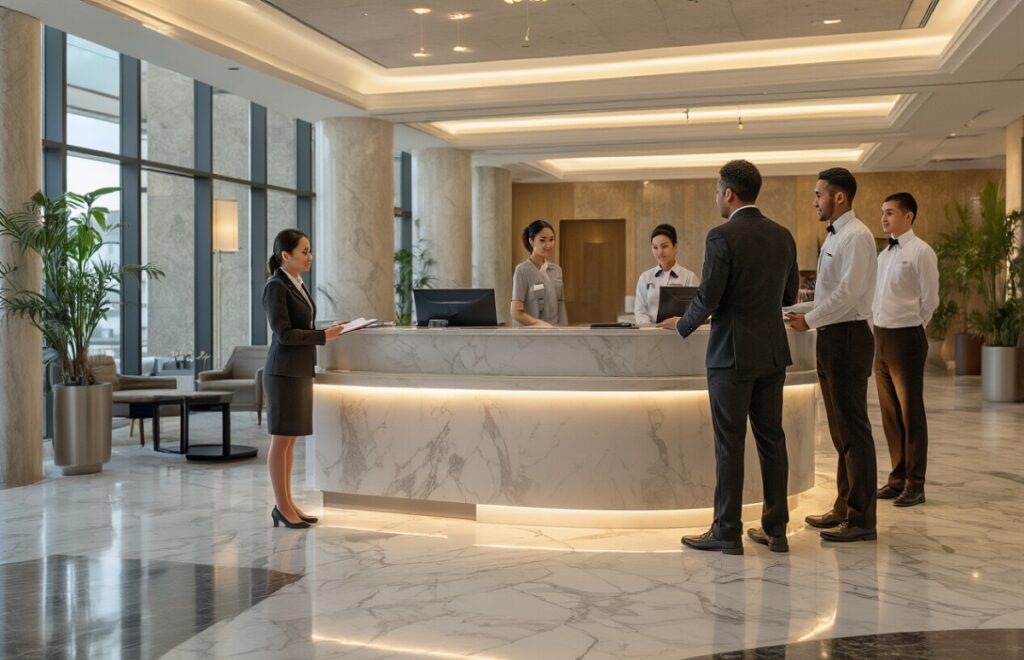
Now that we’ve talked about managing the design and construction of a hotel, the next step is to write down detailed standard operating procedures. To make sure that your hotel project development goes smoothly and that service is always excellent, write down detailed rules for housekeeping, the front desk, maintenance, security, and emergency responses.
Hire and train people to work at hotels
I’ve talked about how important it is to plan ahead before. For hospitality project management to work, it’s also essential to hire the right people. Make sure that there are clear steps for hiring people for important jobs like general manager, department head, front desk worker, housekeeper, and maintenance team. Set up full training programs for staff that cover brand standards, customer service protocols, safety procedures, and property management systems. Make sure they are ready before the store opens.
Use systems for managing property
Next, we’ll discuss how technology has made it easier to run hotels by making property management systems work together. Pick and set up PMS solutions that can handle reporting, billing, reservations, check-ins and check-outs, and coordinating housekeeping. You need to add more point-of-sale, security, and communication systems to the hotel project guide so that everything goes smoothly.
Make rules and standards for how to treat guests
Setting clear standards for guest service as you plan your hotel business will help ensure that all of your touchpoints are of the same high quality. Make clear rules for how to deal with guests, complaints, special requests, and service problems. To keep service levels high, set goals for performance and times for regular training. Managing your reputation and keeping customers happy will help guests have good experiences and your hotel’s overall marketing plan.
Positioning and streams of income

Create a brand identity and a plan for marketing
Having a strong brand identity is important for the success of your hotel project now that your hotel is built and open for business. Make a brand position that is different from other properties. In a way that makes sense, the positioning should include your hotel’s personality, values, and target audience. Write a full set of rules for marketing hotels that covers things like how to speak, how to use graphics, and how to treat customers.
Make a system for booking and being present online
Having a strong online presence is important for successful hotel project management once you have a strong brand. Create a website that is simple to use, has clear pictures, has full descriptions of the amenities, and has a booking system that works well. To save on third-party commissions and make sure your site works well on mobile devices for today’s travellers, use direct booking solutions. Make profiles on all the right social media sites to connect with people who might want to visit and show off what makes your hotel unique.
Make plans for how to set prices and handle money
Now that we’ve talked about the operational setup, we’re going to move on to strategic revenue optimisation for the full implementation of your hotel’s project guide. Use flexible pricing models that take into account seasonal demand, local events, and what your competitors are doing to make the most money. Monitor occupancy rates, average daily rates, and other crucial performance data using revenue management tools. Make price tiers and bundles that are flexible enough to work for a wide range of customers while still keeping your profit margins high in all market conditions.
Make connections with travel agencies and websites
Once you have your pricing strategies set up, you need to expand your distribution channels so that your hotel development plans can be successful. To get more people to see your work, connect with online travel agents, global distribution systems, and booking platforms. You can negotiate commission structures that work for you while still having control over how your brand is shown in all media. To make sure your hotel always has money coming in and is more visible in the market, work with local tour operators, corporate travel managers, and hospitality project management companies.
Keeping an eye on finances and performance

Making a budget and keeping track of your money
To keep a hotel’s finances in good shape, you need to keep a close eye on the costs of building and running the hotel and making money while you build it. Make detailed budgets for the time before the store opens, including costs for design, building materials, buying equipment, and training employees. During construction, check cash flow every week, and during operations, check it every month. Monitor key performance indicators such as RevPAR, occupancy rates, and average daily rate to gauge the profitability of your business. Set up effective accounting systems that keep the costs of development and operations separate. If you check your finances regularly, you might be able to spot cost overruns early and change how you spend your money. Part of smart hotel project management is setting aside money for unexpected costs and changes in the market.
Performance metrics and key performance indicators
Check important hospitality metrics to find out how well your hotel is doing and where it could do better. The main signs of how well the market is doing are the occupancy rate, the average daily rate, and the income per available room. Check your hotel’s gross operational profit margins and see how they compare to the industry standards for hotels like yours in your area. Look at reviews on the internet and direct feedback systems to find out how happy your guests are. To maximise profits, consider booking frequency, weather, and competitor pricing. Make monthly dashboards that show how well each department is doing in relation to its budget. This includes costs for cleaning, food service, and repairs.
Focus on keeping costs down while maximising revenue
Keep your operating costs in range by using strategic buying, managing your energy use, and better scheduling your staff. Talk to your suppliers about buying linens, amenities, and cleaning supplies in bulk to lower the cost per unit. Use systems that save energy while building to keep utility costs low over time. Use dynamic pricing strategies that change hotel rates based on how many people are likely to stay and what events are happening nearby. Keep a close eye on labour costs to make sure you have enough workers during busy times but not too many during slow ones. Regular checks on vendors and renegotiations of contracts help keep prices low for important services like washing, pest control, and maintenance.
Your Hotel Success Planner

A central way to run projects
All parts of a hotel project, from the first feasibility studies to operational excellence, must work together to manage the whole lifecycle. A centralised hotel project management system makes it easier for architects, contractors, financial advisers, and operational staff to communicate with each other. This makes sure that the transitions between construction stages go smoothly. This combined approach keeps the quality of the hotel construction project high, lowers costs, and stays on schedule while making it clear who is in charge of what. Professional hospitality project management gives everyone involved a single point of contact, which makes it easier to make decisions and lowers risks. By doing full hotel business planning from the start, developers can expect problems, make the most of their resources, and run successful hotel businesses that meet both their deadlines and their profit goals.
Conclusion

To successfully start a hotel project, you need to carefully plan out many important parts. Every step, from the first planning and strategic development to the design, construction, and operational setup, builds on the last to make a strong foundation for success. Staff management, marketing, and ways to make money all need to work together to get guests and make the most money.
The parts that keep things going in the long run are the ones that deal with money management and performance monitoring. By focusing on these five main areas—planning, design and construction, operations, marketing, and financial oversight—hotel developers can confidently navigate the complicated world of hospitality. Take the time to fully handle each part, because this all-encompassing strategy will ultimately decide if your hotel project succeeds in today’s crowded market.