
The Engineer's Mindset

Effective MEP engineering for buildings makes the difference between a space that works smoothly for decades and one that drains budgets while frustrating occupants. Engineers, architects, facility managers, and building owners who want to create high-performance spaces need a clear roadmap for designing mechanical, electrical, and plumbing systems that deliver comfort without breaking the bank.
Smart MEP design isn’t just about meeting code requirements—it’s about thinking like a chess player who sees several moves ahead. The best engineers balance upfront costs with operational expenses, knowing that the right HVAC design for hotels or office buildings can cut energy bills by 30% or more over the building’s lifetime.
We’ll explore strategic planning approaches for energy-efficient MEP systems that start with understanding your building’s unique needs and usage patterns. You’ll learn design principles for enhanced occupant comfort that go beyond basic temperature control to create spaces where people actually want to spend time. Finally, we’ll break down cost-effective MEP solutions for long-term value that prove you don’t need the most expensive equipment to get the best results—you need the smartest approach to lifecycle cost analysis MEP and sustainable building services integration.
Fundamentals of MEP Engineering for Optimal Building Performance
Understanding mechanical, electrical, and plumbing system integration
MEP engineering for buildings requires seamless coordination between mechanical HVAC systems, electrical infrastructure, and plumbing networks to achieve optimal building performance. Effective commercial MEP planning involves understanding how these interconnected systems work together, sharing loads and resources while maintaining thermal comfort design standards. This integrated approach to MEP design best practices ensures energy optimization in buildings through coordinated system operation rather than isolated component performance.
Balancing initial investment with long-term operational savings
Lifecycle cost analysis MEP strategies demonstrate that higher upfront investments in energy-efficient equipment often yield substantial operational cost reduction through MEP optimization over time. Smart HVAC controls and building automation systems may require greater initial capital but deliver measurable energy savings throughout the building’s operational life. This balance between first costs and long-term value defines successful MEP engineering approaches that prioritize total cost of ownership.
Key performance metrics for measuring MEP system effectiveness
High performance building engineering relies on specific metrics including energy use intensity, thermal comfort indices, indoor air quality engineering parameters, and electrical load optimization ratios. These measurable indicators help evaluate MEP system effectiveness beyond simple energy consumption, incorporating occupant comfort, air quality standards, and operational efficiency. Monitoring these metrics enables continuous improvement in sustainable building services and validates design decisions against actual performance outcomes.
Strategic Planning Approaches for Energy-Efficient MEP Systems
Load Calculation Methodologies for Right-Sizing Equipment
Accurate load calculations form the foundation of efficient MEP systems. Engineers must perform detailed heating and cooling load analyses using industry-standard methodologies like ASHRAE standards to determine precise equipment capacity requirements. This prevents oversizing, which leads to inefficient operation and higher energy consumption.
Equipment Selection Criteria for Maximum Efficiency Ratings
Equipment selection should prioritize high-efficiency ratings such as ENERGY STAR certifications and optimal performance coefficients. Engineers must evaluate equipment lifecycle performance, considering part-load efficiency curves and seasonal energy efficiency ratios. Selecting properly rated equipment ensures optimal energy performance throughout varying operational conditions.
System Zoning Strategies to Optimize Energy Consumption
Strategic system zoning allows for targeted climate control based on occupancy patterns and thermal requirements. By creating dedicated zones for different building areas, MEP engineers can optimize energy consumption through precise temperature control and reduced waste. Smart zoning strategies significantly reduce operational costs while maintaining optimal comfort levels.
Design Principles for Enhanced Occupant Comfort
Indoor air quality management through proper ventilation design
Now that we have covered strategic planning approaches for energy-efficient MEP systems, implementing proper ventilation design becomes crucial for maintaining optimal indoor air quality. Effective MEP engineering for buildings requires careful consideration of air exchange rates, filtration systems, and outdoor air intake strategies. Commercial MEP planning must incorporate ASHRAE standards while balancing energy optimization in buildings with occupant health requirements. Smart HVAC controls enable real-time monitoring of CO2 levels, particulates, and volatile organic compounds, ensuring continuous indoor air quality engineering excellence.
Temperature and humidity control strategies across different zones
Thermal comfort design demands sophisticated zoning approaches that accommodate varying occupancy patterns and heat loads throughout different building areas. HVAC design for hotels exemplifies this complexity, requiring individual room controls while maintaining central system efficiency. Variable air volume systems, coupled with building automation systems, provide precise temperature regulation across multiple zones. Humidity control strategies must prevent condensation issues while maintaining comfort levels between 30-60% relative humidity, particularly critical in high performance building engineering applications.
Noise reduction techniques in mechanical system design
Previously, I’ve emphasized energy efficiency, but noise control represents an equally important aspect of MEP design best practices. Sound attenuation requires strategic placement of mechanical equipment away from occupied spaces, implementation of vibration isolation systems, and proper ductwork design to minimize air velocity noise. Sustainable building services incorporate quiet-running equipment selection and acoustic treatments that don’t compromise operational cost reduction through MEP efficiency. Future-ready MEP design integrates noise considerations from initial planning phases, ensuring occupant comfort without sacrificing system performance or increasing lifecycle cost analysis MEP complexity.
Cost-Effective MEP Solutions for Long-Term Value
Life cycle cost analysis for equipment selection decisions
Previously, strategic energy planning established the foundation for efficient systems. With this in mind, lifecycle cost analysis MEP becomes critical for optimal equipment selection decisions. Engineers must evaluate initial capital costs against long-term operational expenses, maintenance requirements, and energy consumption patterns. This comprehensive approach ensures commercial MEP planning delivers maximum value through informed equipment choices that minimize total ownership costs over the system’s entire lifespan.
Maintenance-friendly design approaches to reduce operational expenses
Now that equipment selection is optimized, maintenance-friendly design strategies significantly impact operational cost reduction through MEP systems. Engineers should prioritize accessible component placement, standardized equipment specifications, and modular system configurations. These MEP design best practices reduce service time, minimize skilled labor requirements, and enable predictive maintenance programs that extend equipment life while controlling operational expenses throughout the building’s service period.
Future-proofing strategies for system upgrades and expansions
With maintenance considerations addressed, future-ready MEP design ensures systems adapt to evolving building requirements and technological advances. Engineers must incorporate oversized distribution pathways, flexible control architectures, and scalable infrastructure that accommodates future expansions without major renovations. This strategic approach to high performance building engineering protects long-term investments while enabling seamless integration of emerging technologies and changing operational demands.
Technology Integration for Smart MEP Systems
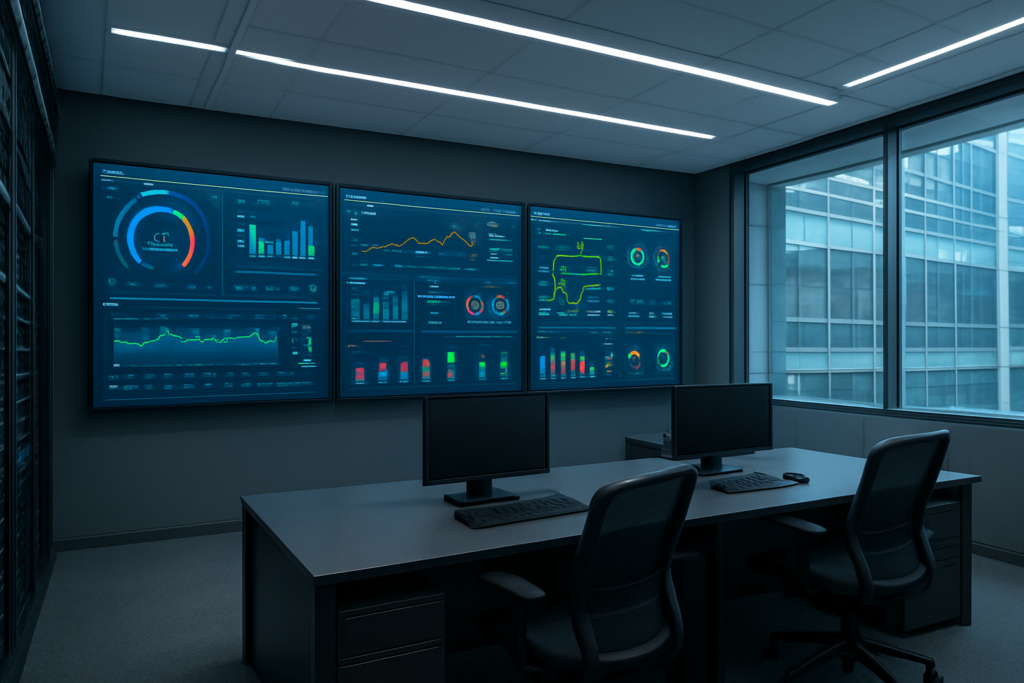
Building Automation Systems for Optimized Performance Monitoring
Modern building automation systems enable comprehensive MEP engineering for buildings by providing centralized control and real-time monitoring of HVAC, electrical, and plumbing systems. These intelligent platforms integrate smart HVAC controls with advanced sensors to track energy consumption patterns, system performance metrics, and operational efficiency across commercial MEP planning projects.
Smart Controls and Sensors for Real-Time System Adjustments
Smart building automation systems utilize sophisticated sensors and adaptive controls to automatically adjust HVAC design for hotels and commercial facilities based on occupancy levels, weather conditions, and energy optimization requirements. These responsive technologies enable immediate system modifications, ensuring optimal thermal comfort design while reducing operational costs through precise control of mechanical systems and electrical load optimization.
Data Analytics for Predictive Maintenance and Efficiency Improvements
Advanced data analytics platforms process continuous streams of information from smart HVAC controls and building automation systems to identify maintenance needs before equipment failures occur. This predictive approach significantly reduces lifecycle cost analysis MEP considerations by extending equipment lifespan, minimizing unexpected downtime, and optimizing energy performance through data-driven insights that support operational cost reduction through MEP strategies.
Sustainable Design Practices in MEP Engineering
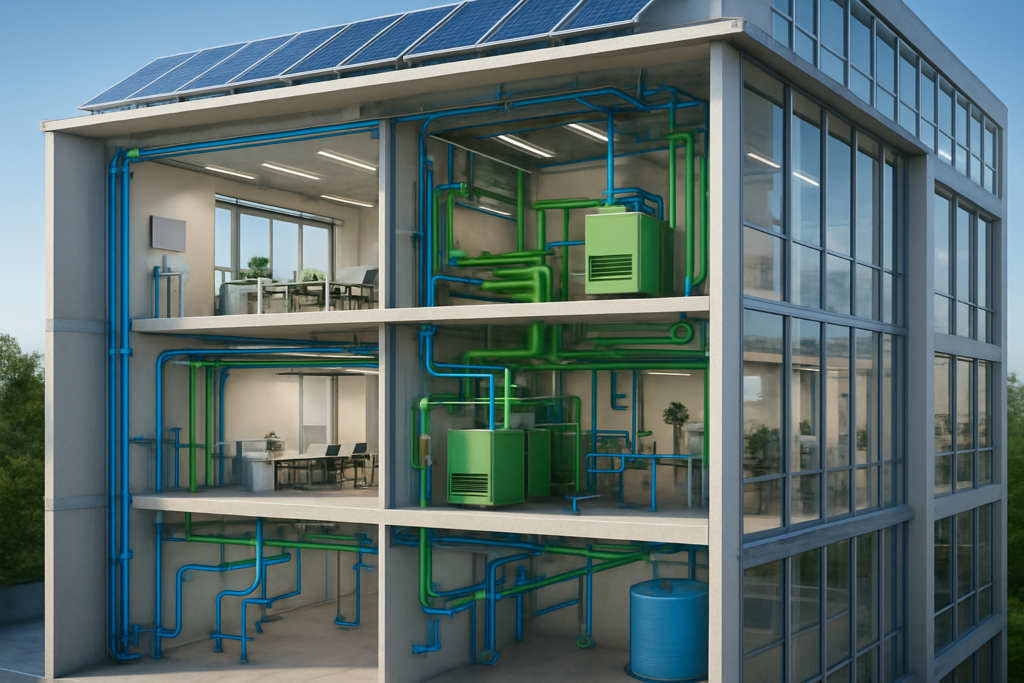
Renewable Energy Integration with Traditional MEP Systems
Modern MEP engineering increasingly emphasizes renewable energy integration to achieve sustainable building services and reduce operational costs. Solar photovoltaic systems can be seamlessly integrated with electrical load optimization strategies, while geothermal heat pumps enhance HVAC design for hotels and commercial buildings. Smart HVAC controls enable efficient coordination between renewable sources and conventional systems, supporting LEED MEP strategies and future-ready MEP design approaches.
Water Conservation Strategies Through Efficient Plumbing Design
Water efficiency systems represent a cornerstone of sustainable MEP design best practices, incorporating low-flow fixtures, greywater recycling, and rainwater harvesting technologies. Advanced plumbing design reduces lifecycle cost analysis MEP considerations while maintaining optimal performance. Smart sensors and automated controls monitor usage patterns, enabling predictive maintenance and minimizing waste in commercial MEP planning applications.
Material Selection for Environmental Impact Reduction
Sustainable building services require careful material selection focusing on embodied energy, recyclability, and durability. High-performance building engineering prioritizes low-impact materials such as recycled steel, sustainable insulation, and eco-friendly refrigerants in building automation systems. These choices significantly influence energy optimization in buildings while supporting long-term thermal comfort design objectives and reducing overall environmental footprint throughout the building’s operational lifecycle.
Conclusion
Successful MEP engineering requires a holistic approach that balances efficiency, comfort, and long-term economic value. By implementing strategic planning methodologies, adhering to proven design principles, and integrating smart technologies, engineers can create building systems that deliver exceptional performance while minimizing operational costs. The integration of sustainable practices not only reduces environmental impact but also enhances the overall value proposition for building owners and occupants.
The path forward in MEP design lies in embracing innovation while maintaining focus on fundamental engineering principles. As buildings become increasingly complex and performance expectations continue to rise, engineers must leverage advanced technologies and data-driven insights to optimize system performance. By prioritizing both immediate functionality and lifetime cost considerations, MEP professionals can deliver solutions that stand the test of time while creating comfortable, efficient environments for all building users.