

Hotel developers face a make-or-break decision before breaking ground: conducting a comprehensive hotel feasibility study. This critical analysis can mean the difference between a profitable venture and a costly failure that drains resources for years.
Who this guide is for: Hotel investors, developers, and hospitality entrepreneurs planning new hotel projects or acquisitions who want to maximize their chances of success while minimizing financial risk.
A hotel feasibility study serves as your project’s roadmap, evaluating everything from market demand to financial projections before you commit significant capital. Smart developers know that skipping this step often leads to oversaturated markets, unrealistic revenue expectations, and properties that struggle to achieve profitability.
We’ll explore why feasibility studies form the foundation of successful hotel development by examining the comprehensive market research, financial modeling, and risk assessment that separate thriving hotels from struggling ones. You’ll also discover how proper feasibility analysis prevents the most common and expensive development mistakes that can sink hotel projects before they even open their doors.
The numbers don’t lie: hotels backed by thorough feasibility studies consistently outperform those developed on gut instinct alone. Let’s dive into why this single step often determines whether your hotel investment becomes a long-term success story or an expensive lesson learned.
Why Feasibility Studies Are Essential for Hotel Development Success

Conducting a comprehensive hotel feasibility study begins with thorough market analysis that identifies potential financial pitfalls before significant capital investment occurs. This critical assessment examines local demand patterns, competitor performance, and market saturation levels to determine whether your hotel development project can achieve sustainable profitability in the target location.
Hotel investment feasibility studies transform speculative decisions into evidence-based strategies by analyzing occupancy rates, average daily rates, and revenue per available room metrics. These data-driven insights provide investors with concrete evidence about hotel market feasibility, enabling them to make informed choices about property positioning, amenities selection, and optimal investment timing for maximum hotel development success factors.
Key Components That Make Feasibility Studies Comprehensive

Detailed financial modeling forms the backbone of any robust hotel development feasibility analysis. Revenue projections encompass room sales, food and beverage operations, meeting facilities, and ancillary services while accounting for operational expenses, debt service, and capital expenditures. These projections provide investors with realistic expectations for return on investment and help secure financing for hotel development planning initiatives.
Location assessment evaluates proximity to key demand generators, transportation hubs, and tourist attractions that drive hotel occupancy. Accessibility factors include highway visibility, public transportation connections, and parking availability. Site-specific considerations such as topography, utilities infrastructure, and development costs significantly impact the overall feasibility of hotel investment projects.
Municipal zoning regulations, building codes, and permit requirements can substantially affect hotel development timelines and costs. Environmental assessments, historic preservation restrictions, and local ordinances must be thoroughly evaluated to prevent costly delays. Understanding these regulatory frameworks early in the planning process helps developers navigate approval processes efficiently and avoid common hotel development mistakes that can derail projects.
How Feasibility Studies Prevent Costly Development Mistakes
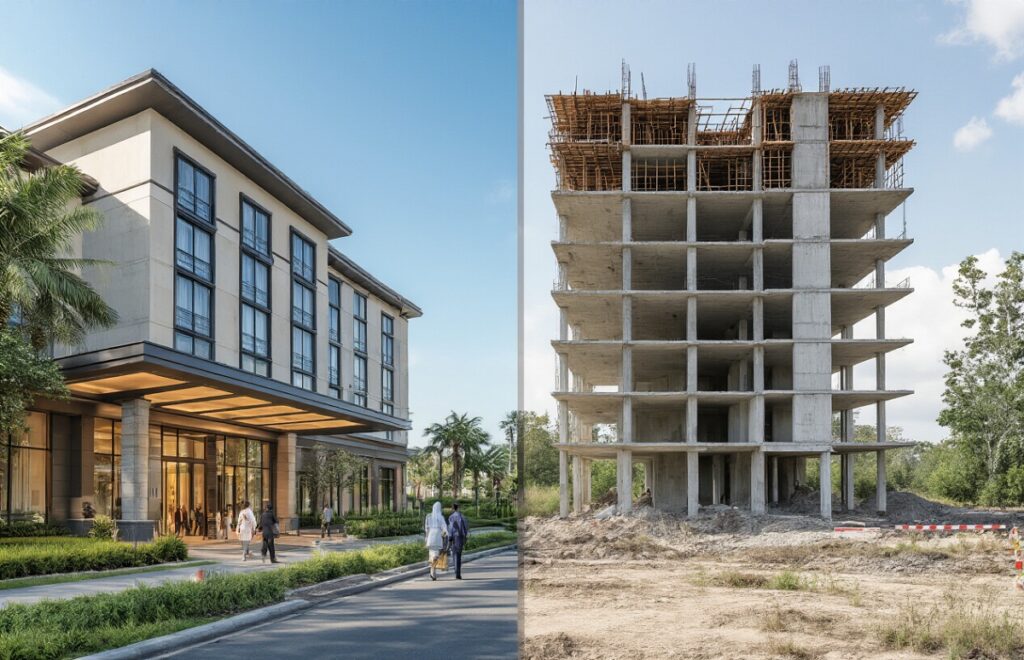
A comprehensive hotel feasibility study reveals critical market conditions that prevent developers from entering oversaturated markets. By analyzing competitor density, occupancy rates, and demand patterns, these studies identify whether additional hotel properties can achieve sustainable profitability in the target location.
Thorough feasibility analysis hotel projects uncover unexpected expenses that can derail budgets during construction phases. From soil conditions requiring specialized foundations to zoning restrictions demanding design modifications, these studies expose potential cost overruns before ground is broken, enabling developers to adjust financial projections and secure adequate funding for successful hotel development planning completion.
Investment Attraction and Financing Success

A comprehensive hotel feasibility study demonstrates professional due diligence that investors expect before committing capital. The detailed market analysis, competitive assessment, and financial projections provide investors with confidence in your hotel development project’s viability and your team’s expertise.
Hotel development feasibility analysis ensures accurate cost estimations by identifying potential construction challenges, regulatory requirements, and market-specific needs early in the planning process. This prevents budget overruns and unrealistic timelines that could jeopardize project success.
Professional feasibility studies strengthen your negotiating position with financial institutions and development partners. The comprehensive data and projections demonstrate reduced risk, enabling you to secure more favorable loan terms, lower interest rates, and better partnership agreements for your hotel investment feasibility study.
When Skipping Feasibility Studies Leads to Hotel Failures
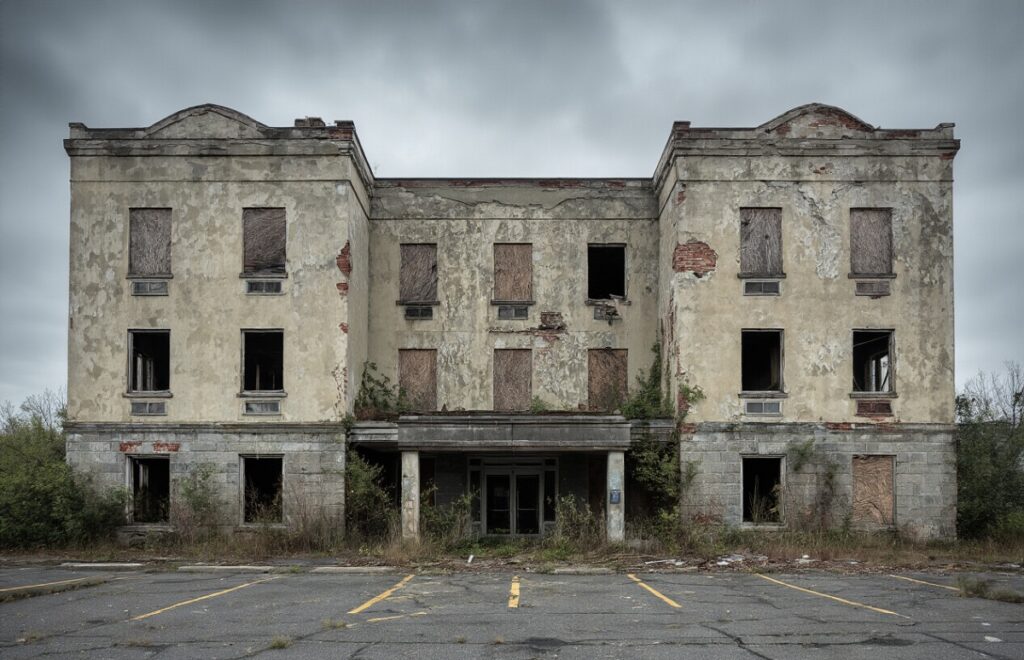
Hotel development failures often stem from inadequate feasibility analysis, leading to costly mistakes that could have been prevented. Without proper hotel development feasibility studies, developers frequently misjudge market demand, competition levels, and financial requirements, resulting in projects that struggle from opening day.
Many failed hotel projects begin with flawed assumptions about location desirability, target market size, and revenue projections. Developers often overestimate occupancy rates and average daily rates without conducting thorough hotel market feasibility research. These incorrect assumptions about seasonal demand patterns, business travel trends, and competitive positioning frequently lead to unrealistic financial projections that doom projects before construction begins.
The financial impact of skipping hotel feasibility studies extends far beyond initial investment losses. Failed hotel developments typically result in foreclosure, bankruptcy, or distressed asset sales at significantly reduced valuations. Investors face prolonged legal battles, damaged credit ratings, and substantial opportunity costs that can take years to recover from in the hospitality industry.
Hotel development mistakes prevention through proper feasibility analysis is crucial for maintaining developer credibility. Failed projects create lasting reputational damage that affects future financing opportunities, partnership prospects, and investor confidence. Developers who skip feasibility studies often find themselves blacklisted by lenders and branded hotel companies, severely limiting their ability to pursue additional hotel investment opportunities in competitive markets.
Conclusion

The evidence is clear: feasibility studies represent the most critical foundation for successful hotel development. They provide comprehensive market analysis, prevent costly mistakes through thorough financial evaluation, and deliver substantial returns on investment by identifying potential pitfalls before construction begins. The components of a well-executed feasibility study—from market demand assessment to competitive analysis—create a roadmap that guides developers toward profitable decisions while avoiding the expensive failures that plague projects lacking proper due diligence.
Hotel development without a feasibility study is essentially gambling with millions of dollars. The financial benefits of conducting thorough feasibility analysis far outweigh the upfront costs, as these studies consistently save developers from catastrophic losses and position projects for long-term success. Before breaking ground on your next hotel project, invest in a comprehensive feasibility study—it’s not just recommended, it’s essential for turning your hospitality vision into a profitable reality.