
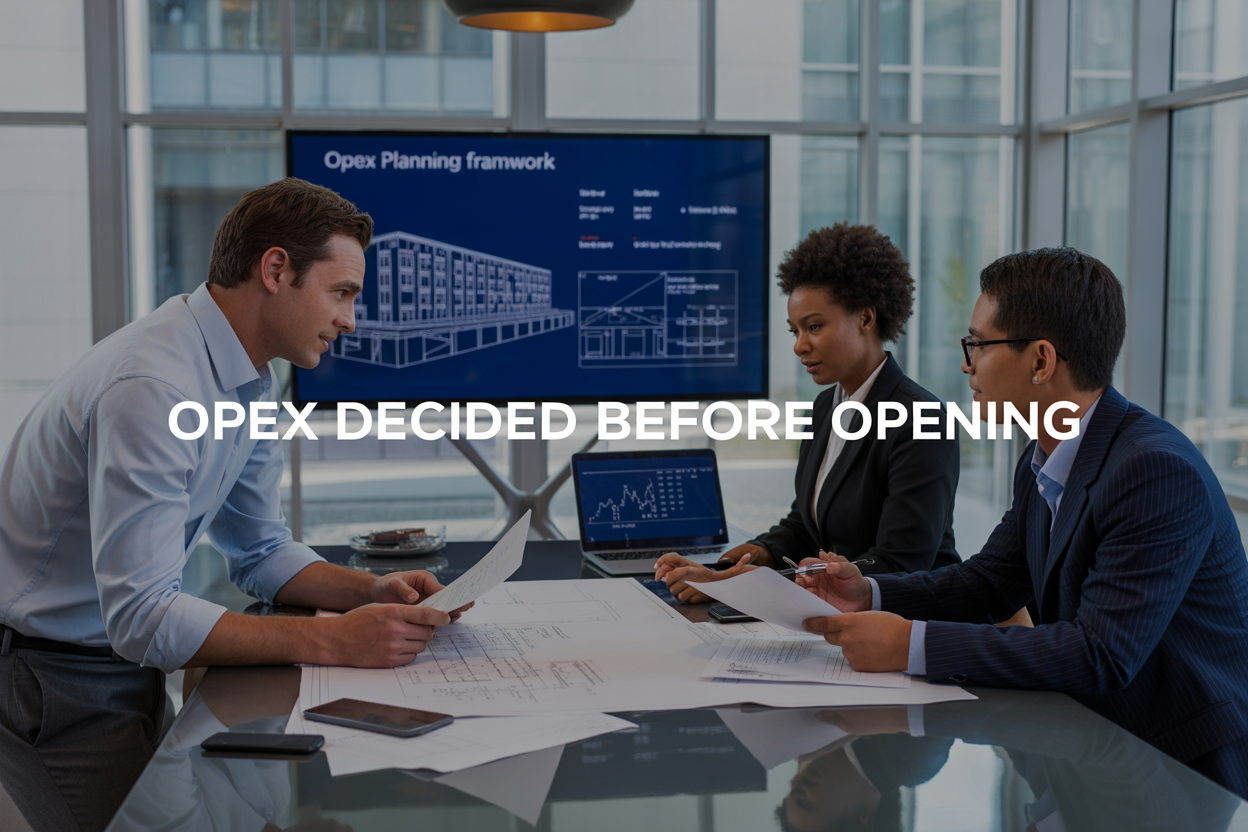
Hotel owners, developers, and investors often discover a hard truth too late: your hotel operating costs are essentially locked in before you even open your doors. This reality shapes every dollar you’ll spend and every profit margin you’ll achieve for years to come.
This misconception that OPEX can be optimized after opening leads to costly surprises and missed opportunities. Smart hotel profitability planning happens during the development phase, not after guests start checking in.
We’ll walk through the pre-opening OPEX planning framework that successful hotel operators use to set themselves up for long-term success. You’ll learn which key OPEX categories get determined during the development phase and why timing these decisions correctly can make or break your hotel’s financial performance. We’ll also cover the strategic decision-making timeline that ensures your hotel cost structure supports profitable operations from day one.
Pre-Opening OPEX Planning Framework
Financial forecasting methodology for operational expenses
Establishing a robust hotel OPEX strategy begins with systematic financial forecasting that encompasses all operational cost categories. Hotels must develop comprehensive hotel budgeting strategy models that integrate labor costs, utilities, maintenance, marketing, and administrative expenses into unified projections that drive hotel profitability planning decisions.
Industry benchmarking standards for cost projections
Hotel operating costs benchmarking requires analyzing industry-specific metrics such as cost-per-occupied room (CPOR) and departmental expense ratios against comparable properties. This hospitality operational expenses analysis enables hotels to establish realistic hotel cost control targets while maintaining competitive operational efficiency standards that support long-term hotel ROI planning objectives.
Revenue management integration with expense planning
Effective hotel expense management demands seamless integration between revenue forecasts and operational cost planning to optimize hotel profit margins. Revenue management teams must collaborate with operations to ensure hotel cost structure aligns with projected occupancy rates, seasonal variations, and market positioning strategies that maximize overall hotel operational efficiency.
Stakeholder alignment on operational cost targets
Successful hotel financial planning requires comprehensive stakeholder alignment on hotel cost drivers and operational expense targets before property opening. This collaborative approach ensures all departments understand their role in hotel cost management while establishing clear accountability frameworks that support hotel break even analysis and sustained profitability throughout operations.
Key OPEX Categories Determined During Development Phase
Staffing levels and labor cost structures
Hotel OPEX strategy fundamentally depends on pre-determined staffing frameworks established during development. Labor costs typically represent 40-50% of total hotel operating costs, making early workforce planning crucial for hotel profitability planning. Department-specific headcount requirements, wage structures, and benefit allocations must align with projected occupancy rates and service standards to ensure sustainable hotel cost management throughout operations.
Utility consumption patterns and energy management systems
Energy management decisions during pre-opening directly impact long-term hotel operational efficiency. HVAC system specifications, lighting technologies, and water heating solutions determine baseline utility consumption patterns that remain largely fixed post-opening. Smart building technologies and energy monitoring systems selected during development phase establish the foundation for ongoing hospitality cost optimization and significantly influence monthly hotel operational expenses.
Marketing and sales expense allocations
Marketing budget frameworks require early establishment to support revenue generation from opening day. Digital marketing infrastructure, brand positioning strategies, and sales team structures must be defined during development to ensure effective market penetration. These pre-planned marketing investments directly correlate with hotel break even analysis projections and determine the pace of achieving target profit margins in competitive hospitality markets.
Maintenance and repair budget frameworks
Preventive maintenance programs and repair protocols established pre-opening significantly impact long-term hotel cost structure sustainability. Equipment warranties, service contracts, and maintenance scheduling systems determine ongoing operational reliability and cost predictability. Strategic maintenance planning during development phase ensures optimal asset preservation while controlling unexpected repair expenses that could negatively affect hotel ROI planning and overall financial performance.
Strategic Decision-Making Timeline for OPEX Commitments
Pre-construction phase expense modeling
Effective hotel OPEX strategy requires comprehensive expense modeling during the pre-construction phase, establishing foundational cost structures that will drive hotel operating costs throughout the property’s lifecycle. This critical period determines long-term hotel financial planning parameters, directly impacting future hotel profitability planning and operational efficiency. Strategic hotel expense management decisions made during this phase establish the framework for sustainable hotel cost control, ensuring optimal hotel profit margins from day one of operations.
Design impact on long-term operational costs
Architectural and interior design choices fundamentally shape ongoing hospitality operational expenses, with each design element directly affecting hotel cost structure and operational efficiency requirements. Layout decisions influence staffing needs, energy consumption patterns, and maintenance requirements, making design optimization essential for effective hotel cost management. Smart design choices during development can significantly reduce hotel startup costs while enhancing long-term hotel ROI planning outcomes.
Technology selections affecting ongoing expenses
Technology infrastructure decisions during the pre-opening phase establish the foundation for future hotel operational efficiency and cost optimization strategies. System selections for property management, energy management, and guest services directly impact ongoing hospitality cost optimization efforts and operational expense levels. These critical technology choices affect hotel break even analysis projections and determine the property’s ability to achieve competitive hotel profit margins through automated operations.
Service level agreements and vendor contracts
Pre-opening vendor selections and service level agreements establish the operational cost framework that governs hotel expense management throughout the property’s operational life. Contract negotiations during development phase directly impact hotel cost drivers, from housekeeping and maintenance to food service and amenities management. Strategic vendor partnerships and well-structured agreements form the backbone of successful hotel operations planning, ensuring predictable costs and optimal hotel business model planning outcomes.
Impact of Pre-Opening Decisions on Operational Performance
Cost Structure Flexibility After Hotel Launch
Once a hotel opens, the hotel cost structure becomes largely fixed, with limited flexibility to modify major hotel operating costs. Pre-opening decisions regarding staffing levels, technology systems, and service standards create operational constraints that directly impact hotel profitability planning and long-term financial performance throughout the property’s lifecycle.
Competitive Positioning Through Expense Optimization
Strategic hospitality cost optimization during the development phase enables hotels to establish competitive advantages through efficient hotel expense management. Properties that implement comprehensive hotel OPEX strategy before opening can offer superior guest experiences while maintaining lower operational costs, creating sustainable market positioning that competitors struggle to replicate after their own properties launch.
Profit Margin Protection Strategies
Effective hotel profit margins protection begins with meticulous pre-opening hotel budgeting strategy that anticipates market fluctuations and operational challenges. Hotels that establish robust hotel cost control mechanisms during development can weather revenue volatility while preserving profitability, whereas properties lacking this foundation face constant pressure on margins and struggle with hotel ROI planning.
Guest Experience Delivery Within Budget Constraints
Balancing exceptional guest experiences with hospitality operational expenses requires careful hotel operations planning that aligns service standards with financial capabilities. Pre-opening decisions about amenities, staffing ratios, and technology investments determine whether hotels can consistently deliver promised experiences while maintaining hotel operational efficiency and controlling hotel cost drivers throughout their operational lifespan.
Best Practices for Effective OPEX Pre-Planning
Cross-departmental collaboration requirements
Effective hotel OPEX strategy requires seamless coordination between operations, finance, and development teams during pre-opening planning. This collaborative approach ensures accurate hotel operating costs forecasting and prevents costly operational inefficiencies. Each department must contribute expertise to create comprehensive hotel expense management frameworks that support long-term hotel profitability planning and sustainable cost control measures.
Market analysis integration into expense planning
Thorough market research must inform hospitality operational expenses budgeting to ensure competitive positioning and realistic cost projections. Local labor costs, utility rates, and supplier pricing directly impact hotel cost structure decisions made during development phases. Integrating market intelligence into hotel financial planning prevents budget overruns and supports accurate hotel break even analysis calculations.
Contingency planning for operational cost variations
Smart hotel budgeting strategy includes building flexibility into expense forecasts to accommodate market fluctuations and unexpected cost drivers. Establishing contingency reserves for utilities, labor, and maintenance ensures operational continuity while protecting hotel profit margins. This proactive approach to hotel cost management reduces financial risks and maintains operational efficiency during challenging periods.
Performance monitoring systems setup
Implementing robust tracking mechanisms before hotel opening enables real-time hotel cost control and supports ongoing hospitality cost optimization efforts. These systems must capture key performance indicators that directly correlate with operational expenses and profitability metrics. Early establishment of monitoring frameworks facilitates quick decision-making and ensures hotel ROI planning objectives remain achievable throughout operations.
Conclusion
The evidence is clear: operational expenses in hotels are not reactive decisions made after opening—they are strategic commitments locked in during the development phase. From staffing structures and technology systems to maintenance protocols and vendor agreements, the OPEX framework established before doors open determines the financial trajectory of your property for years to come. Understanding this timeline and planning accordingly can mean the difference between operational efficiency and costly post-opening adjustments.
Smart hoteliers recognize that pre-opening OPEX planning is not just about budgeting—it’s about building competitive advantage. By implementing a structured framework during development, making informed decisions about key expense categories, and following proven best practices, you position your property for sustainable profitability from day one. The hotels that thrive are those that treat OPEX planning as a strategic imperative, not an operational afterthought.