
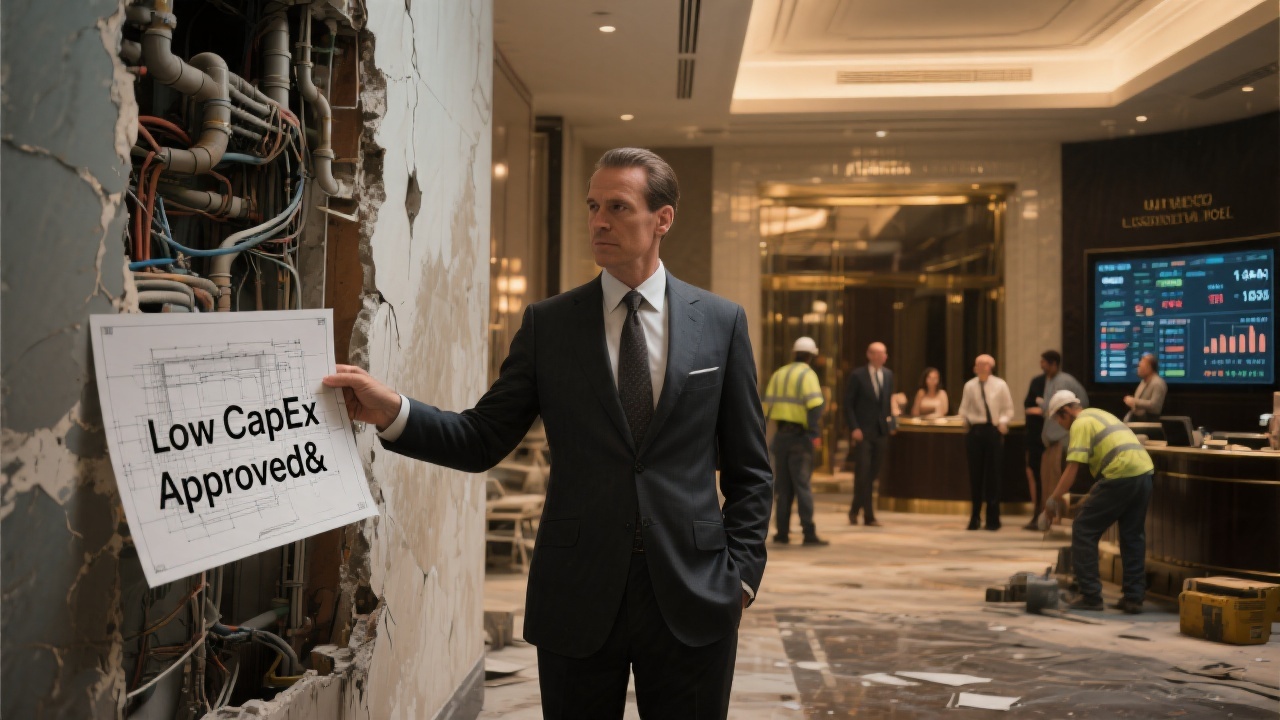
Why Cutting Corners on Hotel Construction Is the Most Expensive Mistake You’ll Ever Make
In hotel development, lower capital expenditure often looks like a smart path to stronger returns. On the surface, reducing upfront costs seems to protect cash flow and improve profitability. In reality, this approach can weaken the asset over time. A hotel is a revenue-generating operating business, not just a construction project. If the initial investment is too lean, the property may struggle with guest satisfaction, operational efficiency, brand positioning, and long-term asset value. The result is often a lower return on investment, not a better one.
Understanding the True Costs of Low Capital Expenditure Hotel Projects
Cutting CapEx can reduce construction budgets, but it rarely removes cost. It simply shifts cost into future operations, maintenance, and lost revenue. Lower-quality finishes, outdated systems, and limited back-of-house functionality may save money at opening, yet create constant friction later. Owners can face higher repair expenses, faster replacement cycles, and weaker market competitiveness.
How Initial Savings Create Long-Term Financial Burdens
A budget-first project may open on time, but the property can age quickly. Frequent maintenance, energy inefficiency, and premature renovations all erode savings. In many cases, the hotel needs capital reinvestment much sooner than expected. What looked like disciplined cost control becomes a recurring burden that reduces net operating income and delays payback.
Revenue Impact of Budget-Focused Hotel Development
Guests notice quality. Poor room layouts, weak acoustic performance, dated design, and limited amenities can lower satisfaction scores and repeat bookings. In competitive markets, even small differences in perceived quality affect average daily rate, occupancy, and brand loyalty. A hotel with a lower build cost may therefore generate weaker revenue throughout its lifecycle.
Strategic Capital Allocation for Sustainable Hotel Returns
The goal is not to spend more everywhere. It is to invest where capital has the greatest operational and revenue impact. Prioritize guest-facing durability, energy-efficient systems, flexible layouts, and strong brand standards. Smart CapEx supports lower operating costs, better reviews, stronger pricing power, and longer asset life.
Real-World Examples of CapEx Strategy Outcomes
Hotels that underinvest in key systems often face early renovation cycles and weaker market positioning. By contrast, properties that allocate capital strategically tend to maintain relevance longer, control operating costs more effectively, and preserve asset value. The difference is rarely visible on day one, but it becomes clear over time in performance metrics.
Conclusion
Lower CapEx does not automatically mean better ROI in hotel projects. Sustainable returns come from disciplined investment, not minimal investment. The best hotel developments balance upfront cost with long-term performance, ensuring the property can compete, operate efficiently, and generate durable value.