
The Pre-Opening Mindset
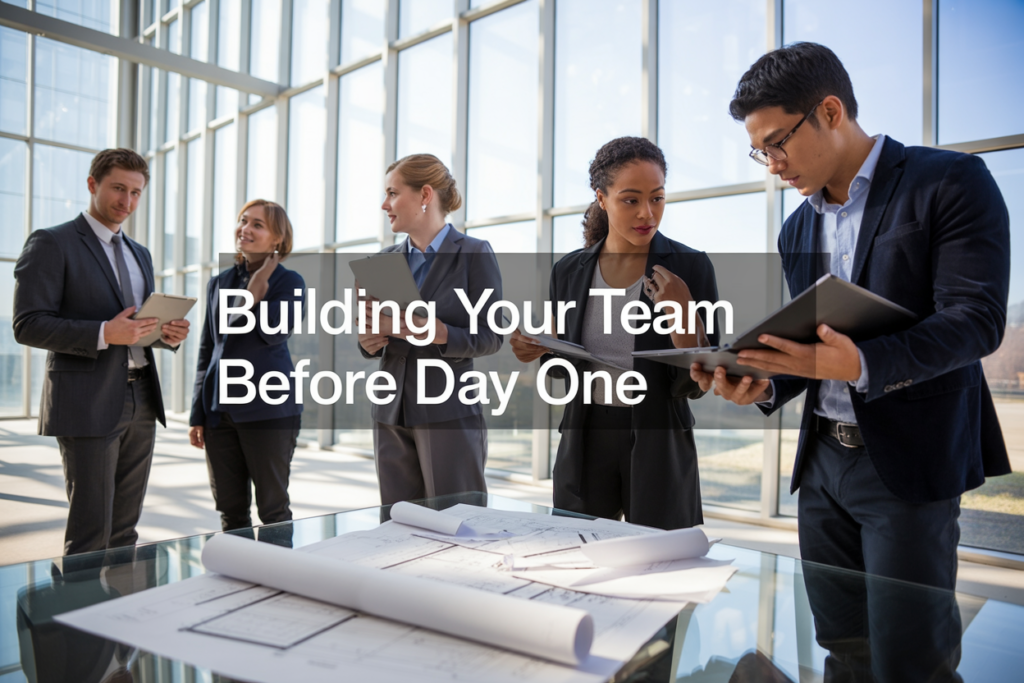
Most hotel owners focus on construction timelines and grand opening dates, but the real work starts months before your first guest arrives. Building your operational team during the development phase—not after—determines whether your hotel launches smoothly or struggles to find its footing.
This guide is for hotel investors, developers, and hospitality entrepreneurs managing ₹20–₹200 crore projects who want to avoid costly operational mistakes and maximize ROI from day one.
We’ll cover strategic planning for pre-opening team development, showing you how to map out your staffing needs while your hotel is still under construction. You’ll learn essential skills assessment and talent acquisition strategies that help you identify and hire the right people before the rush begins. We’ll also explore effective onboarding and training systems that prepare your team to deliver exceptional service from opening day, plus how to build strong team culture and communication standards that last.
Smart pre-opening planning transforms your hotel vision into an operationally profitable reality. The hotels that get this right don’t just open—they thrive.
Strategic Planning for Pre-Opening Team Development
Define Core Operational Roles and Responsibilities Early
Strategic pre-opening team development begins with identifying and defining the fundamental operational roles that will drive your hotel’s success from day one. This critical foundation involves mapping out every position from department heads to front-line staff, ensuring comprehensive coverage of all operational aspects including guest services, housekeeping, food and beverage, maintenance, and administration.
The key to effective role definition lies in understanding the interconnected nature of hotel operations. Each position must be viewed not in isolation but as part of a cohesive operational ecosystem where responsibilities overlap and complement each other. For all hospitality projects this early planning phase determines the operational readiness and long-term profitability of the venture.
Create Detailed Job Descriptions Aligned with Business Goals
Comprehensive job descriptions serve as the blueprint for operational excellence, transforming your hotel vision into actionable responsibilities. Each description must explicitly connect individual roles to broader business objectives, ensuring every team member understands their contribution to guest satisfaction, revenue generation, and operational efficiency.
These documents should detail specific qualifications, performance expectations, and key performance indicators that align with your hotel’s strategic positioning. Whether targeting luxury or premium market segments, job descriptions must reflect the service standards and operational complexity required to meet guest expectations and financial projections.
Establish Team Structure and Reporting Hierarchies
A well-defined organizational structure creates clear communication channels and accountability frameworks essential for smooth operations. This involves establishing reporting relationships, defining decision-making authority levels, and creating escalation procedures that ensure efficient problem resolution.
The hierarchical structure should balance operational efficiency with guest service excellence, providing clear career progression paths while maintaining the flexibility needed in dynamic hospitality environments. This structural planning becomes particularly crucial during the pre-opening phase when rapid decision-making and coordinated execution are paramount.
Set Realistic Hiring Timelines and Milestones
Strategic hiring timelines ensure your operational team is fully prepared and integrated before launch day. This involves creating phased recruitment schedules that prioritize leadership positions first, followed by supervisory roles, and finally front-line staff.
Milestone-based hiring allows for systematic team building, providing adequate time for training, team integration, and operational system familiarization. These timelines must account for the complexity of hospitality operations, where team chemistry and service delivery standards require extensive preparation and practice before guest arrival.
Essential Skills Assessment and Talent Acquisition
Identify Critical Competencies for Each Operational Position
Now that we have established the strategic framework for pre-opening team development, identifying the right competencies becomes crucial for building operationally ready hotel teams. Each position within your hotel operations requires a distinct blend of technical skills, behavioral attributes, and industry-specific knowledge that directly impacts guest satisfaction and profitability.
For front office roles, prioritize candidates with strong communication skills, multilingual capabilities, and experience with property management systems. Housekeeping supervisors need attention to detail, time management expertise, and knowledge of hygiene standards specific to luxury hospitality. Food and beverage positions require not only culinary or service skills but also understanding of cost control, inventory management, and dietary restrictions handling.
Leadership positions demand strategic thinking, team management experience, and proven track records in revenue optimization. Financial roles require hospitality-specific accounting knowledge, understanding of ADR and RevPAR metrics, and experience with hotel management software systems.
Create competency matrices for each department, outlining both hard skills and soft skills requirements. This systematic approach ensures you’re building talent pipelines with candidates who can deliver operational excellence from day one, reducing training costs and minimizing post-launch operational disruptions.
Develop Comprehensive Candidate Evaluation Criteria
With critical competencies identified, developing structured evaluation criteria becomes essential for quality talent acquisition. Create standardized assessment frameworks that measure both technical capabilities and cultural alignment with your hotel’s service philosophy.
Establish scoring rubrics for each competency area, weighing technical skills at 40%, behavioral traits at 35%, and industry experience at 25%. For customer-facing roles, include scenario-based evaluations that test problem-solving abilities and grace under pressure. Technical positions should undergo skills-based assessments using actual hotel systems or simulated environments.
Develop position-specific evaluation forms that capture quantifiable metrics. Include sections for previous performance indicators, relevant certifications, and measurable achievements in similar roles. For management positions, assess leadership philosophies, conflict resolution approaches, and strategic thinking capabilities through case study presentations.
Create benchmark scorecards that define minimum acceptable scores for each position level. This standardization ensures consistency across hiring managers and departments, reducing bias while maintaining quality standards essential for premium hotel operations.
Implement Multi-Stage Interview Processes for Quality Hires
Previously, we’ve established evaluation criteria; now implementing systematic interview processes ensures thorough candidate assessment. Design three-stage interview processes that progressively filter candidates while providing comprehensive evaluation opportunities.
Stage one involves phone or video screening to assess basic qualifications, communication skills, and initial cultural fit. Use structured questions that reveal attitude toward service excellence, flexibility, and team collaboration. This initial screening should eliminate approximately 60-70% of applicants, focusing subsequent stages on highly qualified candidates.
Stage two incorporates panel interviews with department heads and peers, including practical demonstrations or role-playing scenarios. For housekeeping positions, conduct cleaning demonstrations; for front desk roles, simulate guest check-in procedures with difficult scenarios. Include current team members in these evaluations to assess peer compatibility and team dynamics.
The final stage involves senior management interviews focusing on long-term potential, career aspirations, and strategic alignment. Include property tours and informal interactions to gauge genuine enthusiasm for the brand and location. This comprehensive approach significantly reduces turnover risks and ensures new hires contribute to operational profitability from their first day.
Build Talent Pipelines Before Immediate Hiring Needs
With this multi-stage process established, building proactive talent pipelines becomes critical for avoiding last-minute hiring pressures that compromise quality standards. Develop relationships with hospitality schools, industry associations, and recruitment agencies specializing in premium hotel staffing.
Create talent databases categorized by position types, experience levels, and availability timelines. Maintain regular contact with promising candidates through newsletters, industry updates, and informal networking events. This approach ensures access to quality candidates when positions become available, reducing time-to-hire and maintaining service consistency.
Establish internship programs and apprenticeships that serve as extended auditions for permanent positions. Partner with local hospitality institutions to create structured training programs that align with your operational standards and service philosophy.
Develop referral incentive programs encouraging current team members to recommend qualified candidates from their professional networks. Quality employees typically attract similar talent, creating a self-reinforcing cycle of excellence that supports long-term operational success and guest satisfaction metrics essential for hotel profitability.
Effective Onboarding and Training Systems
Design Structured Orientation Programs for New Team Members
Now that we have covered the strategic planning and talent acquisition phases, developing comprehensive orientation programs becomes critical for operational readiness. A structured orientation program serves as the foundation for transforming recruited talent into a cohesive operational team well before your hotel’s opening day.
Effective orientation programs for hotel operations should span multiple weeks, incorporating both theoretical knowledge and hands-on experience. Begin with a comprehensive overview of your hotel’s vision, brand standards, and operational philosophy. This foundational session establishes the context for all subsequent training activities and ensures every team member understands their role within the larger operational framework.
The orientation structure should progress systematically through property familiarization, departmental introductions, and cross-functional exposure. Team members need to understand not only their specific roles but how their departments integrate with others to deliver seamless guest experiences. This holistic approach to pre-opening planning determines hotel ROI by ensuring operational efficiency from day one.
Create Role-Specific Training Materials and Resources
With this in mind, next, we’ll see how customized training materials become essential for building operationally ready teams. Role-specific training resources must address the unique requirements of each position while maintaining consistency with overall brand standards and operational procedures.
Develop comprehensive training manuals that combine visual aids, step-by-step procedures, and scenario-based learning modules. These materials should cover technical skills, service standards, emergency procedures, and quality benchmarks specific to each role. For premium hospitality projects, training materials must reflect the elevated service expectations and attention to detail required for luxury operations.
Digital training platforms offer excellent opportunities for consistent knowledge delivery and progress tracking. Interactive modules, video demonstrations, and virtual reality simulations can provide immersive learning experiences that prepare team members for real-world scenarios they’ll encounter during hotel operations.
Establish Mentorship Programs for Knowledge Transfer
Previously, I’ve observed that mentorship programs significantly accelerate the development of operational competence within new hotel teams. Pairing experienced professionals with new team members creates structured pathways for knowledge transfer and practical skill development.
Effective mentorship programs require careful matching based on personality compatibility, skill complementarity, and departmental needs. Senior team members should receive training on mentoring techniques, communication skills, and knowledge transfer methodologies to maximize program effectiveness.
Regular mentorship sessions should focus on practical skill development, problem-solving techniques, and cultural integration. These programs become particularly valuable during the pre-opening phase when teams must develop operational proficiency without the benefit of ongoing guest interactions and real-world practice scenarios.
Implement Performance Tracking During Training Phases
Structured pre-opening team building requires systematic performance tracking to ensure training objectives are met before operational launch. Performance tracking systems should measure both technical competency and cultural alignment with your hotel’s operational standards.
Develop clear performance metrics for each role, including skills assessments, knowledge retention tests, and practical demonstrations. Regular evaluation checkpoints throughout the training process allow for timely interventions and additional support where needed.
Performance tracking data provides valuable insights into training program effectiveness and individual development needs. This information enables continuous refinement of training approaches and ensures your operational team achieves the competency levels required for successful hotel launch and long-term profitability.
Building Team Culture and Communication Standards
Establish Core Values and Workplace Expectations Early
Building team culture during the pre-opening phase requires establishing clear organizational values that will guide decision-making and behavior long after launch. Start by defining 3-5 core values that reflect your hotel’s brand identity and service philosophy. These values should be specific, actionable, and memorable rather than generic corporate speak. For example, instead of simply stating “excellence,” define what excellence means in your specific operational context – perhaps “anticipating guest needs before they’re expressed” or “resolving issues within the first interaction.”
Workplace expectations must be documented and communicated systematically. Create detailed behavioral standards that translate your values into daily actions. This includes everything from guest interaction protocols to internal communication styles. When team members understand exactly what’s expected, they can perform consistently even under pressure.
Create Open Communication Channels and Feedback Systems
Now that we have covered foundational values, establishing robust communication infrastructure becomes critical for pre-opening team building. Implement multiple communication channels that serve different purposes – formal reporting structures for operational updates, informal channels for creative input, and dedicated feedback systems for continuous improvement.
Consider implementing weekly cross-departmental briefings during the pre-opening phase, allowing different teams to understand interdependencies and share insights. Digital communication platforms can facilitate real-time information sharing, while structured feedback sessions ensure concerns are addressed before they become operational challenges.
Regular one-on-one meetings between managers and team members create opportunities for personalized guidance and early identification of potential issues. This proactive approach prevents misunderstandings that could disrupt operations during the critical launch period.
Foster Collaboration Through Team-Building Activities
Previously, I’ve observed that hotels with strong pre-opening team cohesion significantly outperform those that attempt to build relationships after opening. Organize structured team-building activities that simulate real operational scenarios while building trust and communication skills. Role-playing exercises where departments must collaborate to solve complex guest scenarios are particularly effective.
Consider organizing off-site retreats where teams can interact in relaxed environments, fostering personal connections that translate into smoother professional collaboration. Cross-training initiatives serve dual purposes – they build operational flexibility while helping team members understand and appreciate each other’s roles and challenges.
Develop Conflict Resolution Procedures and Protocols
With this in mind, next, we’ll establish clear protocols for addressing conflicts before they escalate. Create a structured escalation process that encourages resolution at the lowest appropriate level while ensuring management visibility into recurring issues. Document common conflict scenarios and provide managers with specific scripts and approaches for different situations.
Implement a mediation process that focuses on finding solutions rather than assigning blame. Train supervisors in conflict resolution techniques, emphasizing active listening and collaborative problem-solving. Having these systems in place before opening ensures that interpersonal challenges don’t compromise guest service or team morale during high-pressure launch periods.
Operational Readiness and System Integration
Align Team Preparation with Technology and Equipment Setup
Now that your team structure and training programs are in place, operational readiness requires seamless integration between human resources and technological infrastructure. The pre-opening phase demands synchronized coordination where team preparation aligns directly with technology deployment and equipment installation timelines.
Your operational team must participate actively in technology testing phases, understanding not just how systems work, but how they integrate into daily workflows. Property management systems, point-of-sale platforms, and communication tools should be introduced to staff during equipment installation rather than after launch. This approach ensures team members develop confidence with technology before guest-facing responsibilities begin.
Equipment familiarization extends beyond basic operation to encompass maintenance protocols and troubleshooting procedures. Staff should understand backup systems and manual processes that activate when technology fails. This dual-competency approach—technological proficiency paired with traditional service skills—creates operational resilience essential for premium hospitality projects.
Conduct Comprehensive Testing of All Operational Processes
Building upon technology alignment, comprehensive process testing validates every operational procedure under realistic conditions. Mock service scenarios should replicate actual guest experiences, from reservation processing through checkout completion. These simulations reveal gaps between written procedures and practical execution.
Testing phases should progress from individual department functions to cross-departmental workflows. Front desk operations must integrate smoothly with housekeeping systems, while food service protocols coordinate with kitchen production schedules. Each test cycle identifies refinement opportunities before real guests experience service delivery.
Documentation during testing phases captures procedural modifications and system adjustments. These records become invaluable resources for ongoing training programs and future operational improvements. Testing results directly inform final procedure manuals and staff certification requirements.
Create Contingency Plans for Potential Staffing Challenges
With operational processes validated, contingency planning addresses inevitable staffing disruptions that threaten service continuity. Pre-opening strategy must account for staff turnover, illness, and unexpected departures that commonly occur during launch phases. Robust contingency plans ensure service standards remain consistent regardless of personnel changes.
Cross-training initiatives create operational flexibility where team members can cover multiple roles effectively. This approach reduces dependency on individual staff members while maintaining service quality. Emergency staffing protocols should identify rapid recruitment channels and temporary staffing solutions for critical positions.
Contingency planning extends to scenario-based responses for various staffing shortage levels. Plans should address mild shortages through schedule adjustments, moderate shortages through role consolidation, and severe shortages through external support activation. Clear escalation procedures ensure management responds appropriately to each situation level.
Establish Performance Metrics and Accountability Measures
Finally, establishing comprehensive performance metrics transforms operational readiness from subjective assessment to measurable achievement. Key performance indicators must align with brand standards while reflecting property-specific operational objectives. Metrics should encompass service quality, operational efficiency, and financial performance across all departments.
Accountability measures create clear expectations for individual and team performance. Regular assessment schedules ensure consistent performance monitoring while providing opportunities for recognition and improvement guidance. These systems establish performance culture from day one rather than implementing measurement systems reactively.
Performance tracking systems should integrate with existing technology platforms, enabling real-time monitoring and reporting capabilities. Dashboard displays provide immediate visibility into operational performance, allowing management to address issues proactively. This data-driven approach supports continuous improvement initiatives essential for long-term profitability in premium hospitality markets.
Conclusion
Building a successful operational team before your establishment’s opening day requires strategic foresight and meticulous execution across all critical areas. From conducting thorough skills assessments and talent acquisition to implementing comprehensive onboarding systems, every step in the pre-opening phase directly impacts your future success. Establishing clear communication standards and fostering a strong team culture from the outset creates the foundation for seamless operations and exceptional service delivery.
The investment in pre-opening team development and operational readiness pays dividends that extend far beyond day one. Take action now by developing your strategic planning framework, identifying key talent early, and building the systems that will support your team’s growth and success. Your commitment to this pre-opening mindset will differentiate your establishment and position your team for sustainable excellence from the moment you open your doors.