
Is the Operational Setup a Development Phase or an Afterthought? It's a Foundational Phase.
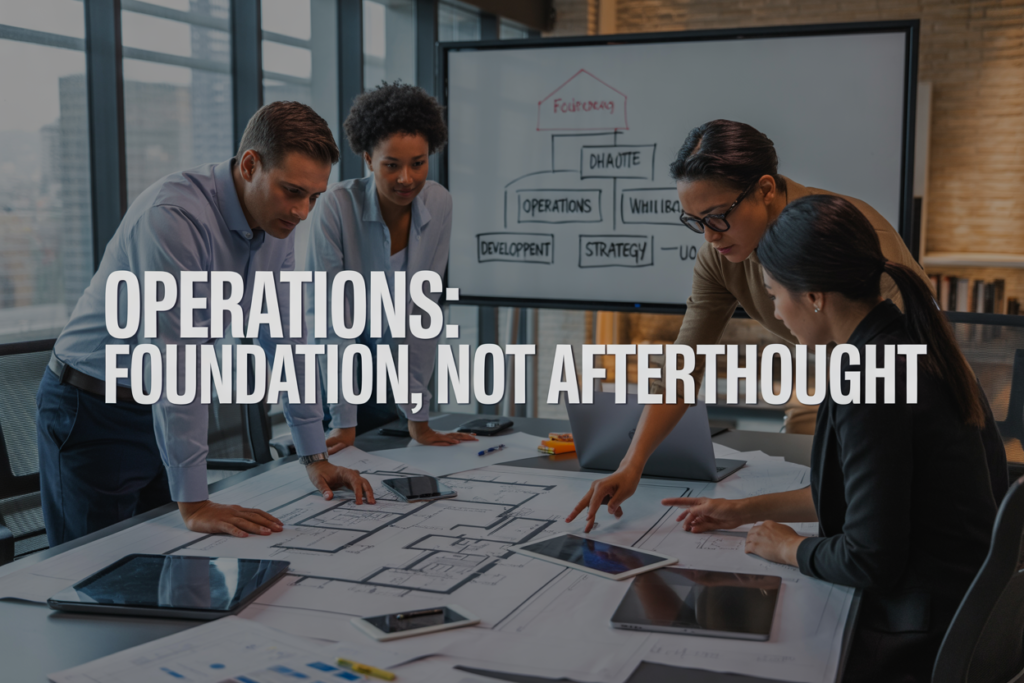
A lot of development teams put off figuring out operational setup until later, which is a costly mistake that turns what should be a strategic advantage into an afterthought. Smart businesses understand that setting up operations during development isn’t just another step to finish; it’s what makes or breaks the scalability of your product.
This guide is for project head, engineering managers, product leaders, and development teams who want to make operational excellence a part of their culture from the start instead of having to add it later when problems come up.
We’ll talk about why the way your business runs should be just as important as the main features. We’ll talk about the most important parts of operations that make them truly foundational, and we’ll show you how much money you can save by investing early instead of paying the premium later. You’ll also get a useful framework for putting an operations-first development approach into action that your cross-functional teams can really use.
Why setting up operations should be the most important part of development planning

The Hidden Costs of Not Taking Operations Seriously
Organisations often don’t realise how much more expensive it will be to set up operations later in development. When operational problems are pushed to the end of the development process, teams run into problems with infrastructure, security, and scalability that need expensive retrofitting solutions.
How planning ahead for operations helps lower technical debt
Focusing on operational strategy during the early stages of development greatly reduces the amount of technological debt that builds up. The operations-first development method makes sure that the architecture of a system is right for deployment from the very beginning. This stops costly refactoring cycles and lets systems grow in a way that leads to long-term operational excellence.
Key Parts That Make Operational Setup Possible

Infrastructure architecture choices that have an impact on how well things will grow over time
When you set up your operations as a foundational phase, the choices you make about your infrastructure architecture become very important strategic choices that will affect how your system grows. The choices you make early on about which database to use, how to set up microservices, and how to deploy your app in the cloud will directly affect how well your app can handle more traffic and changing business needs.
Starting on Day One: Implementing a Security Framework
When you include security in your operational setup from the start, you make sure that your basic operational planning includes full threat protection and compliance readiness. This operations-first development strategy uses authentication systems, encryption protocols, and access controls as basic building blocks instead of add-ons. This makes your system much less vulnerable and easier to implement as it grows.
The Financial Effects of Investing Early vs. Late in Operations

Cost Comparison: Planning Ahead vs. Reacting to What Happens
Organisations that use early operational investment methods often find that their total implementation costs are 40–60% lower than those of organisations that use reactive methods. Companies can avoid the expensive costs of system overhauls, emergency hiring, and crisis management that come with late-stage operational implementations by making operational setup in development a key part of operational planning instead of an afterthought.
Advantages of an Integrated Operational Strategy for Allocating Resources
It has been shown that the operations-first development strategy makes it easier to share resources at all stages of a project. Using strategic operational priority helps teams better manage their budgets and staff, which cuts down on conflicts over resources and work that isn’t needed. This combined approach makes sure that all of the project’s human and technological resources are used to their fullest potential from the start.
ROI Metrics That Show Operations Are a Strategic Investment
We talked about the costs, and now we can see that early operational investment ROI shows real returns in the form of shorter time-to-market, more reliable systems, and lower maintenance costs. Cross-functional operations teams that use the operational excellence framework usually deploy their products 25% to 35% faster and have much lower support costs after launch. This shows that having a strategy for planning operations is a good business practice that makes sense financially.
Getting cross-functional teams to work well together

DevOps Culture Integration Throughout the Development Process
To build cross-functional operations teams, you need to create a DevOps culture that runs through every part of development instead of seeing it as a separate function. This way of working in the development process makes sure that the project’s infrastructure needs, deployment plans, and monitoring needs are taken into account from the start to the end.
Communication Rules That Link Development and Operations
What Teams That Know About Operations Need to Know
You need to put money into making sure that all team members have operations-aware skills if you want your cross-functional operations teams to work well. This basic operational planning includes teaching developers about infrastructure principles, system monitoring, and deployment automation. It also makes sure that operations staff understand application design and business needs so that the framework for true operational excellence can be put into place.
A Helpful Framework for Putting the Operations-First Approach into Action

Tools to see how prepared the current operations are
Companies must first do a full readiness evaluation before they can start an operations-first development approach. Some of the most important things to think about are how scalable the infrastructure is, how well it can be monitored, how automated the deployment process is, and how much knowledge the team has. Before speeding up development, you can find operational gaps by doing technical audits, process maturity evaluations, and cross-functional capability mapping.
How to Add New Features to Old Projects Step by Step
This basic assessment is done, and now strategic operational priority needs a systematic integration process. To begin, add touchpoints for the operational excellence framework to the development workflows you already have. Then, over time, add best practices for setting up operations to each step of a project. This method of planning operations makes sure that all active projects can easily move from old ways of doing things to a fully operational foundation health.
Conclusion
It’s clear from the facts that treating operational setup as a key phase instead of an afterthought affects both the success of the business and the results of development. Companies that put operational excellence first from the start get strategy alignment, a full set of core components, better financial returns, and cross-functional collaboration that helps them succeed in the long run. The framework for putting an operations-first approach into action tells you what to do to make this change happen.
Now you need to choose when and how to include operational setup as a major part of your development plan. Companies that see operations as an important part of their business can grow faster, save money over time, and keep giving value to their stakeholders. Start building the foundation for your business today. The infrastructure you build now will affect how much you can grow in the future.