
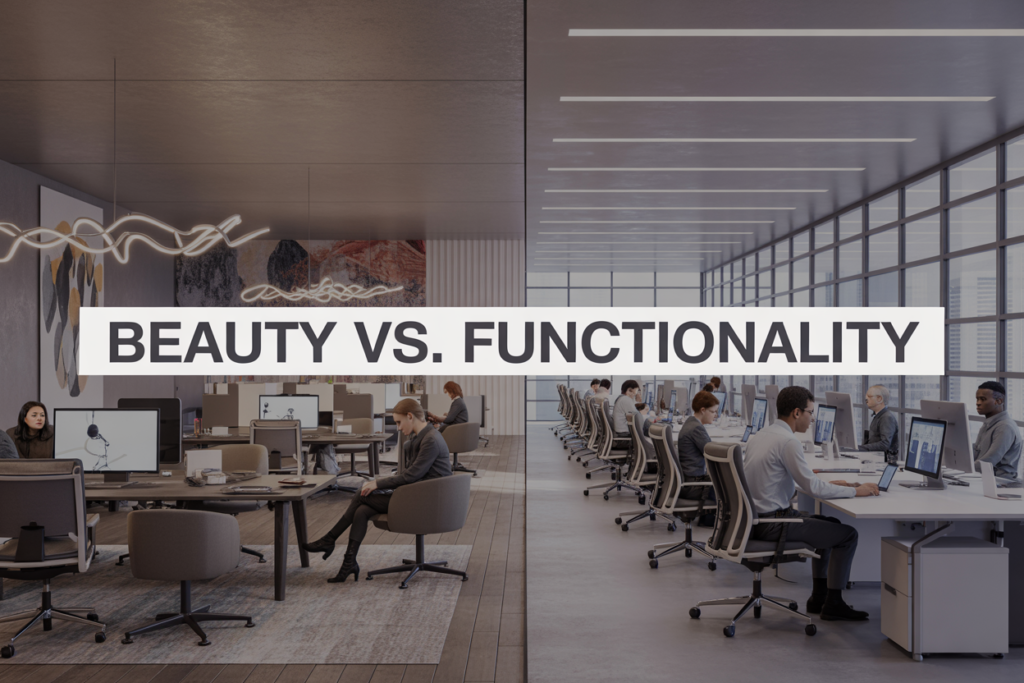
That stunning hotel lobby with its soaring ceilings and Instagram-worthy marble features might win design awards, but it could be slowly killing your business from the inside out. Hotel design planning that prioritizes beauty over function creates operational nightmares that eat away at your profits every single day.
This guide is for hotel developers, owners, and project managers who want to avoid the costly mistakes that plague properties across India and beyond. You’ll discover why gorgeous designs often become operational disasters and learn how to spot the warning signs before construction begins.
We’ll walk through common design mistakes that cripple business operations, examining real hotels where beautiful layouts created staffing chaos, guest complaints, and budget overruns. You’ll also see the true cost of fixing impractical design decisions after opening – spoiler alert: it’s always more expensive than getting it right the first time. Finally, we’ll cover practical strategies for balancing beauty and practicality in design planning so your property can look amazing and run smoothly.
The Hidden Costs of Prioritizing Aesthetics Over Functionality
Revenue Loss from Inefficient Workflows
When hotels prioritize stunning visual appeal over operational efficiency, the resulting workflow disruptions can devastate revenue streams. Beautiful but impractical layouts create bottlenecks that slow service delivery, reduce table turnover rates, and force staff to waste precious time navigating poorly planned spaces, ultimately strangling operations and driving away customers who expect seamless experiences.
Employee Productivity Decline in Poor Layouts
Aesthetically-driven hotel design planning often overlooks how staff actually move through and utilize spaces. When hotel layout design mistakes prioritize form over function, employees struggle with inefficient pathways, inadequate storage, and poorly positioned workstations. This operational design disconnect forces workers to spend more time completing basic tasks, reducing overall productivity and increasing labor costs significantly.
Customer Experience Damage from Design-First Approaches
Hotel operational planning must balance visual impact with practical functionality, as beautiful but impractical layouts can strangle operations in ways guests immediately notice. When hotel architecture vs operations considerations favor aesthetics alone, customers experience longer wait times, service delays, and frustrated staff interactions. This design-first approach ultimately damages the guest experience that beautiful spaces were originally intended to enhance.
Common Design Mistakes That Cripple Business Operations
Form Over Function in Space Planning
When hotel design planning prioritizes visual aesthetics over operational efficiency, it creates impractical layouts that strangle business operations. Hotel layout design mistakes often stem from architects focusing solely on impressive visuals while ignoring how staff and guests actually move through spaces. This approach in hotel operational planning leads to bottlenecks, inefficient workflows, and increased operational costs. Successful hotel project design strategy must balance beautiful aesthetics with functional requirements to ensure smooth daily operations.
Ignoring Traffic Flow and Movement Patterns
Hotel architecture vs operations conflicts emerge when designers fail to analyze how people naturally navigate spaces. Impractical layouts force staff to take longer routes, create guest confusion, and generate congestion in critical areas. Hotel design efficiency suffers when movement patterns aren’t considered during the planning phase. Hotel planning consultancy experts emphasize that understanding traffic flow is essential for creating spaces that support rather than hinder business operations.
Sacrificing Storage and Utility for Visual Appeal
Hotel project development in India and globally often sees designers eliminating essential storage areas and utility spaces to maximize visual impact. This impractical layout approach creates operational nightmares where staff lack adequate space for supplies, equipment, and back-of-house functions. Hotel pre-opening planning should include comprehensive storage assessments to prevent operational bottlenecks. Effective hotel operational design integration requires maintaining sufficient utility areas while achieving aesthetic goals.
Real-World Examples of Beautiful Designs That Failed Operationally
Retail Spaces That Confused Customers
Stunning retail environments with maze-like layouts and poor wayfinding systems have consistently frustrated customers and reduced sales. When visual appeal overshadows logical navigation, shoppers struggle to locate products, leading to abandoned purchases and decreased foot traffic despite initial aesthetic attraction.
Office Layouts That Hindered Collaboration
Open-plan offices designed with artistic flair but lacking functional zones have repeatedly failed to support productive teamwork. Beautiful glass partitions and creative spatial arrangements often create noise issues and privacy concerns that ultimately reduce employee efficiency and collaborative effectiveness.
Restaurant Designs That Slowed Service
Award-winning restaurant interiors featuring complex layouts and impractical kitchen positioning have demonstrated how aesthetic priorities can severely impact operational flow. When designers prioritize visual impact over service efficiency in hotel restaurant planning, staff productivity suffers and customer satisfaction declines significantly.
The True Cost of Fixing Impractical Design Decisions
Renovation Expenses and Business Downtime
When design flaws become apparent during hotel operations, the financial burden of corrections extends far beyond simple aesthetic adjustments. Major layout redesigns often require complete closure of affected areas, resulting in immediate revenue loss during peak booking periods. Essential structural modifications for improved hotel operational design integration can cost 3-5 times more than initial construction, particularly when load-bearing elements require alteration.
Lost Opportunities During Redesign Periods
Hotel design planning mistakes create cascading effects during correction phases, as properties must often reject bookings and cancel events during renovation periods. Peak season closures represent the highest opportunity costs, with luxury hotels potentially losing hundreds of thousands in revenue. These disruptions also damage brand reputation, as guests experience construction noise, limited amenities, and restricted access to facilities during their stays.
Staff Retraining and Process Adjustment Costs
Previously established operational workflows become obsolete when layouts change, necessitating comprehensive staff retraining programs. Kitchen staff must adapt to new equipment placements, housekeeping teams learn revised cleaning routes, and front desk personnel adjust to modified guest flow patterns. Hotel project design strategy oversights often create situations where employee productivity drops significantly during transition periods, requiring additional temporary staffing and extended training schedules to maintain service standards.
Balancing Beauty and Practicality in Design Planning
Establishing Functional Requirements Before Aesthetic Choices
Now that we’ve explored the costly consequences of design-driven decisions, establishing operational requirements must precede any aesthetic considerations in hotel design planning. Successful hotel operational design integration begins with mapping guest flows, staff workflows, and service delivery paths before selecting materials or colors. Hotel project design strategy should prioritize function over form to prevent expensive retrofits.
Testing Workflows in Design Mock-ups
With functional requirements established, testing operational workflows through detailed mock-ups prevents hotel layout design mistakes. Hotel planning consultancy experts recommend simulating housekeeping routes, food service delivery, and guest check-in processes within proposed layouts. This hotel operational planning approach identifies bottlenecks before construction begins, ensuring hotel design efficiency supports rather than hinders daily operations.
Creating Flexible Spaces That Adapt to Operational Needs
Previously, rigid designs have proven problematic; therefore, flexible spaces that accommodate changing operational demands represent smart hotel project development strategy. Modular furniture arrangements, convertible meeting spaces, and adaptable back-of-house areas allow hotels to respond to seasonal variations and evolving service requirements. This hotel architecture vs operations balance ensures long-term operational success while maintaining aesthetic appeal.
Warning Signs Your Design Is Strangling Your Operations
Decreased Employee Efficiency Metrics
When hotel operational planning fails to integrate with design decisions, staff productivity plummets significantly. Teams struggle to navigate poorly conceived layouts, leading to delayed service delivery and increased labor costs. Hotel design efficiency becomes critical as employees waste valuable time moving between impractically positioned work areas, directly impacting guest satisfaction and operational profitability.
Customer Complaints About Navigation or Service
Guest feedback reveals navigation difficulties when hotel layout design mistakes prioritize aesthetics over functionality. Visitors frequently report confusion finding essential amenities, delayed check-in processes, and service bottlenecks. These operational design integration failures create negative experiences that damage reputation and reduce repeat business, highlighting the importance of balancing visual appeal with practical hotel project design strategy.
Increased Operational Costs Despite Attractive Appearance
Beautiful but impractical layouts generate hidden expenses that significantly impact hotel operational planning. Maintenance costs escalate due to difficult-to-access systems, energy consumption increases from inefficient space utilization, and staffing requirements multiply to compensate for design-induced inefficiencies. Hotel planning consultancy experts emphasize that stunning visuals cannot justify the long-term financial burden of operationally dysfunctional spaces.
Conclusion
The evidence is clear: stunning visuals mean nothing if they paralyze your business operations. From hidden costs that drain budgets to workflow bottlenecks that frustrate employees, impractical design decisions create cascading problems that beautiful aesthetics simply cannot justify. The real-world failures we’ve examined demonstrate that form without function is not just ineffective—it’s expensive to fix and potentially devastating to productivity.
Smart design planning requires striking the right balance between visual appeal and operational efficiency from the start. Watch for the warning signs that your layout is working against you, and remember that truly great design enhances both the user experience and business performance. Your operations are the engine that drives success; don’t let poor design choices strangle that potential.