
The Magic of a Good Feasibility Study

Hotel development projects fail at alarming rates, often burning through millions in investor capital before ground is even broken. If you’re a real estate developer, hotel investor, or hospitality entrepreneur, you know that poor feasibility study consequences can destroy even the most promising hotel concepts before they open their doors.
This guide is for anyone involved in hotel development who wants to avoid becoming another doomed hotel project statistic. We’ll walk through the critical missteps that lead to hotel feasibility failure and show you exactly how proper pre-build hotel analysis can save your investment.
You’ll discover the essential components that separate successful hotel developments from costly disasters, learn the financial planning strategies that prevent projects from hemorrhaging money, and get actionable market research techniques that ensure your hotel meets real demand. We’ll also cover the step-by-step implementation process for conducting thorough feasibility studies and reveal how smart analysis can maximize your ROI from day one.
The difference between a thriving hotel and a development disaster often comes down to the quality of the feasibility study done upfront.
Understanding Hotel Project Failures and Their Root Causes
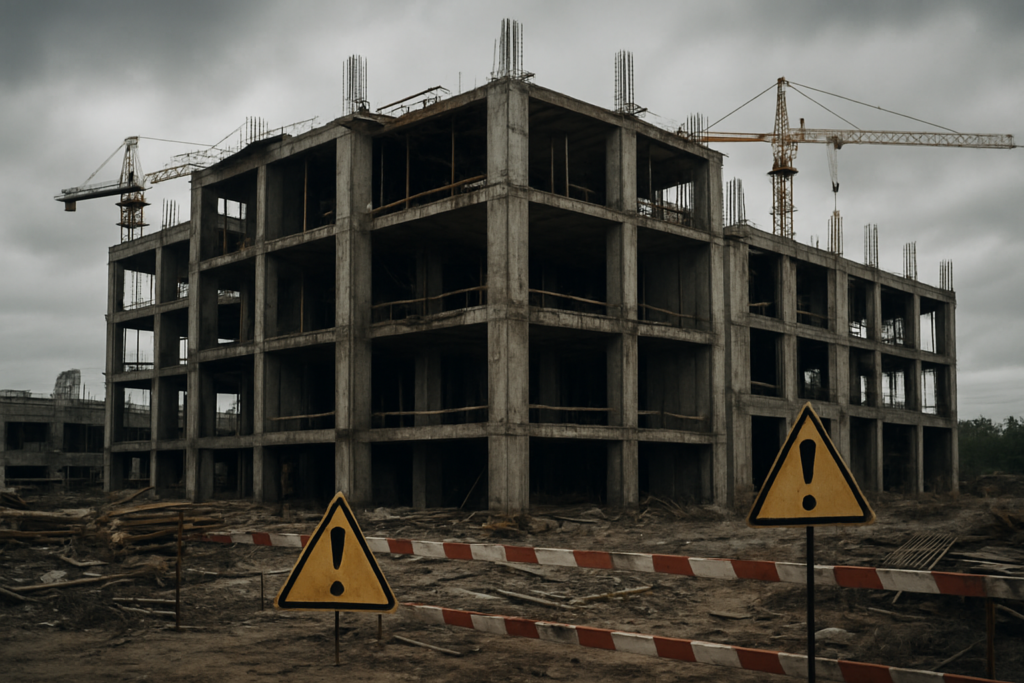
Common reasons why hotel developments collapse before opening
Hotel development projects frequently fail due to a combination of poor feasibility study consequences and inadequate planning. Many developers underestimate the complexity of hotel operations, leading to insufficient capital reserves and unrealistic construction timelines that ultimately result in project abandonment.
Financial miscalculations that lead to project abandonment
Cost overruns represent the primary catalyst behind hotel feasibility failure scenarios. Developers often lack comprehensive pre-build hotel analysis, failing to account for unexpected construction expenses, extended permit processes, and fluctuating material costs. These financial miscalculations create a domino effect where funding becomes insufficient, forcing investors to abandon otherwise viable projects and transforming promising developments into a hotel development disaster.
Essential Components of a Comprehensive Hotel Feasibility Study

Market Analysis and Competitive Landscape Assessment
Understanding your local market dynamics prevents hotel feasibility failure by identifying oversaturation risks and demand gaps. A thorough competitive landscape assessment examines existing properties, their occupancy rates, pricing strategies, and service offerings to position your project effectively. This analysis reveals market opportunities while highlighting potential challenges that could lead to a doomed hotel project.
Financial Projections and Revenue Modeling Techniques
Site Evaluation and Accessibility Factors
Brand Positioning and Target Market Identification
Accurate financial modeling forms the backbone of any successful hotel feasibility checklist, incorporating realistic revenue projections, operational costs, and market variables. Poor feasibility study consequences often stem from overly optimistic financial assumptions that ignore seasonal fluctuations, economic downturns, or changing consumer preferences. Effective brand positioning aligns with identified target demographics while considering accessibility factors like transportation links, parking availability, and proximity to key attractions that directly impact guest acquisition and retention rates.
Financial Planning That Prevents Hotel Project Disasters
Accurate construction cost estimation and budget management
Precise construction cost estimation forms the foundation of preventing a doomed hotel project from materializing. Without realistic budget frameworks, developers face escalating expenses that transform promising ventures into hotel development disasters. Effective budget management requires detailed line-item analysis of materials, labor, permits, and specialized hotel equipment to avoid the poor feasibility study consequences that plague underprepared projects.
Revenue forecasting based on realistic occupancy rates
Revenue projections must reflect achievable occupancy rates rather than overly optimistic assumptions that characterize hotel feasibility failure. Conservative forecasting accounts for seasonal fluctuations, competitive pressures, and market penetration timelines, ensuring financial models withstand real-world conditions and prevent projects from becoming casualties of unrealistic expectations.
Market Research Strategies That Ensure Hotel Success
Demand Analysis and Seasonal Fluctuation Patterns
Understanding market demand prevents hotel feasibility failure by identifying peak and off-peak periods that directly impact revenue projections. Analyzing historical occupancy data, local events, and seasonal tourism patterns helps developers avoid the poor feasibility study consequences that plague many projects.
Competitor Analysis and Pricing Strategy Development
Comprehensive competitor research within your target market reveals pricing gaps and positioning opportunities that differentiate your property. This critical component of pre-build hotel analysis examines existing hotels’ rates, amenities, and occupancy levels to establish competitive advantages and prevent your project from becoming another doomed hotel project through inadequate market positioning.
Implementation Steps for Conducting an Effective Feasibility Study
Assembling the Right Team of Experts and Consultants
Now that we have covered the essential components of a comprehensive hotel feasibility study, assembling a qualified team becomes critical to avoiding poor feasibility study consequences. A successful hotel development requires expertise across multiple disciplines including market analysts, financial consultants, architects, and hospitality specialists. Each team member brings specialized knowledge that prevents the common pitfalls leading to a doomed hotel project.
Timeline Development and Milestone Tracking Methods
With this in mind, establishing clear timelines and tracking methods ensures your pre-build hotel analysis stays on schedule and within budget. Effective milestone tracking prevents the feasibility study cost hotel developers often underestimate while maintaining project momentum and accountability throughout the evaluation process.
Maximizing ROI Through Smart Feasibility Study Insights
Investment Decision Frameworks Based on Study Results
Hotel feasibility studies provide the foundation for making informed investment decisions that can prevent a doomed hotel project. Smart investors leverage comprehensive data analysis to establish clear go/no-go criteria, ensuring that poor feasibility study consequences don’t derail their ventures. These frameworks help identify potential red flags early, allowing developers to pivot or abandon projects before significant capital commitment.
Optimization Opportunities Identified Through Thorough Analysis
Effective pre-build hotel analysis reveals optimization opportunities that can dramatically improve project viability and prevent hotel development disaster. By examining operational efficiencies, design modifications, and market positioning strategies identified during the feasibility phase, developers can enhance projected returns while minimizing risks associated with hotel feasibility failure.
Conclusion

Hotel project failures don’t happen overnight—they’re the result of inadequate planning, poor market research, and financial miscalculations that could have been prevented. A comprehensive feasibility study serves as your project’s foundation, examining market dynamics, financial projections, and implementation strategies that separate successful ventures from costly mistakes. By understanding root causes of failure and conducting thorough market research, developers can make informed decisions that protect their investments and maximize returns.
The difference between a thriving hotel and a failed project often comes down to the quality of the feasibility study conducted during the planning phase. Take the time to analyze every component thoroughly, from financial planning to market positioning, and use these insights to guide your implementation strategy. Your hotel’s success depends on the groundwork you lay today—invest in a robust feasibility study and watch your project transform from a risky venture into a profitable reality.