
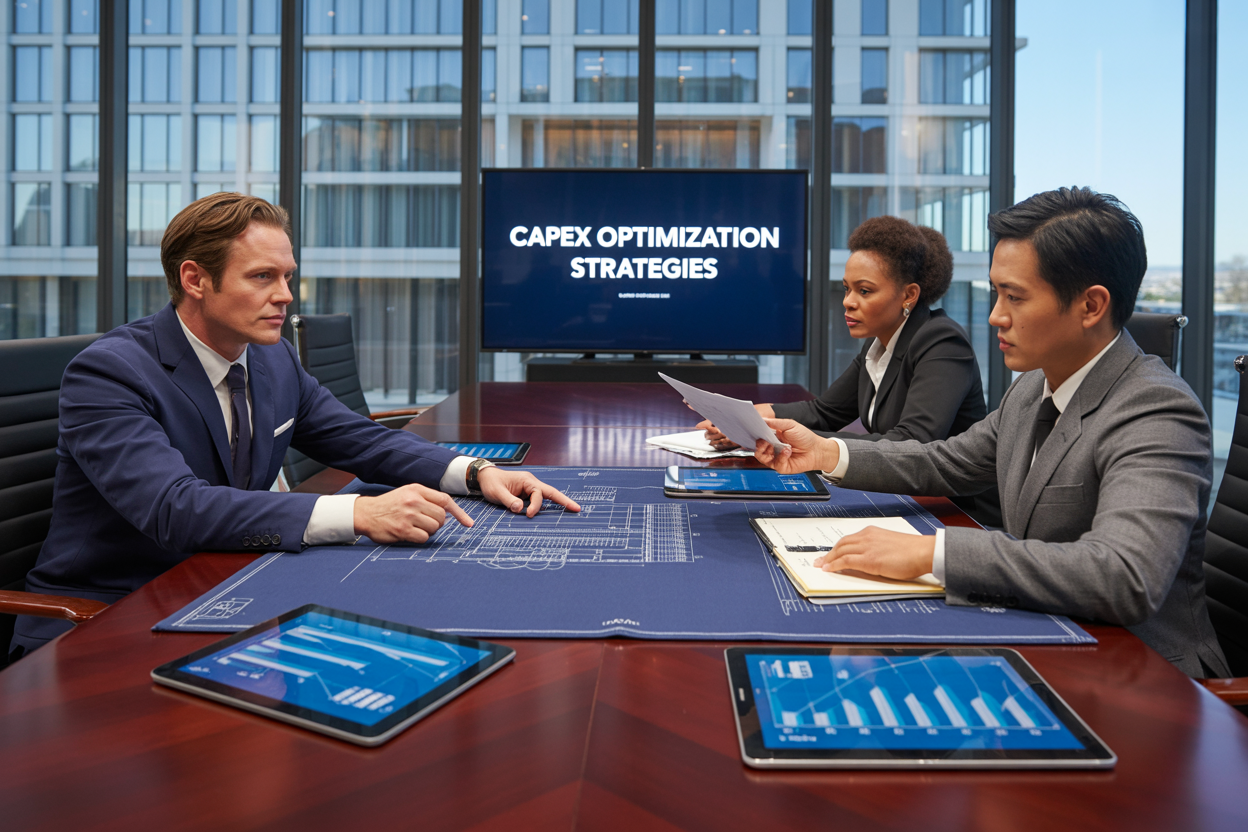
Hotel owners, general managers, and asset management teams are constantly wrestling with tough decisions about where to put their capital dollars. Every renovation project, technology upgrade, and infrastructure improvement competes for limited budget, and making the wrong choice can drain profits for years.
This guide reveals insider secrets to optimizing hotel CapEx allocation that top-performing properties use to maximize returns. You’ll learn how to build a strategic capital planning framework that prioritizes revenue-generating investments and discover smart timing strategies for capital expenditure deployment that protect your bottom line. We’ll also show you proven cost control techniques and performance measurement methods that turn every dollar into measurable guest satisfaction and long-term profitability.
Stop guessing where to invest your capital. These hospitality CapEx investment strategies will help you make data-driven decisions that boost both guest experience and ROI.
Strategic Capital Planning Framework for Maximum ROI
Aligning CapEx investments with long-term business objectives
Successful hotel capex allocation for long-term profitability begins with establishing clear strategic alignment between capital investments and overarching business goals. Hotel asset optimization requires developing a comprehensive framework that prioritizes projects based on their contribution to revenue generation, guest satisfaction, and operational efficiency. This strategic approach to hospitality capex investment strategies ensures that every dollar spent directly supports the property’s competitive positioning and financial performance objectives over the next 5-10 years.
Creating data-driven budget allocation models
Modern capex prioritization in hotels demands sophisticated analytical models that leverage historical performance data, market trends, and predictive analytics. These models should incorporate occupancy rates, average daily rates, guest satisfaction scores, and maintenance costs to identify optimal investment opportunities. Smart capex allocation in hospitality projects relies on establishing clear scoring matrices that weight potential returns against risk factors, enabling property managers to make informed decisions about which renovations or upgrades will deliver maximum impact.
Establishing clear performance metrics and KPIs
Effective hotel project budgeting strategy requires defining measurable outcomes for every capital expenditure initiative. Key performance indicators should include return on investment timelines, guest satisfaction improvements, operational cost reductions, and revenue enhancement targets. These metrics must be established before project implementation and tracked consistently throughout the investment lifecycle. Regular monitoring ensures that hotel capex planning for maximum ROI remains on track and provides valuable insights for future allocation decisions.
Building flexible planning cycles for market adaptability
Dynamic market conditions necessitate adaptable planning frameworks that can respond to changing guest expectations, competitive pressures, and economic fluctuations. Successful hotels implement rolling capital planning cycles that allow for quarterly reassessment of priorities and budget reallocation based on performance data and market intelligence. This flexibility ensures that how to optimize hotel capex allocation remains responsive to emerging opportunities while maintaining focus on long-term strategic objectives and sustainable profitability growth.
Revenue-Generating CapEx Priorities That Drive Guest Satisfaction
Technology upgrades that enhance guest experience and operational efficiency
Smart capex prioritization in hotels begins with technology investments that simultaneously boost guest satisfaction and streamline operations. Property management systems, mobile check-in platforms, and IoT-enabled room controls create seamless experiences while reducing labor costs. Smart energy management systems optimize consumption patterns, delivering immediate operational savings. High-speed Wi-Fi infrastructure and in-room streaming capabilities have become essential amenities that directly influence booking decisions and guest loyalty scores.
Room renovation strategies that command premium pricing
Strategic room upgrades focusing on high-impact elements like bathrooms, bedding, and lighting can justify rate premiums of 15-25%. Modular renovation approaches allow properties to maintain occupancy while upgrading incrementally. Premium finishes in key touchpoints create perceived value that exceeds actual investment costs. Hotel asset optimization through targeted room improvements generates measurable revenue increases within 6-12 months.
Common area improvements that increase dwell time and spending
Lobby redesigns incorporating flexible workspaces and enhanced F&B offerings drive ancillary revenue growth. Co-working zones with charging stations attract extended stays from business travelers. Restaurant and bar renovations that create Instagram-worthy spaces generate organic marketing value while increasing per-guest spending. These hospitality capex investment strategies typically show ROI through increased average daily rate and food service revenue.
Energy-efficient systems that reduce operational costs
LED lighting conversions, smart HVAC systems, and water-saving fixtures provide immediate utility cost reductions of 20-30%. Solar installations and energy storage systems offer long-term protection against rising utility costs. Smart thermostats and occupancy sensors optimize energy consumption based on actual room usage patterns. These allocating hotel capex for long-term profitability decisions create sustainable operational advantages while supporting ESG initiatives that appeal to environmentally conscious travelers.
Smart Timing Strategies for Capital Expenditure Deployment
Leveraging Seasonal Demand Patterns for Renovation Scheduling
Timing hotel capex deployment around seasonal demand cycles maximizes revenue preservation while ensuring optimal guest experiences. Schedule major renovations during historically low-occupancy periods to minimize revenue disruption. Strategic timing involves analyzing occupancy trends, booking patterns, and competitive market conditions to identify ideal renovation windows that align with business objectives and maintain profitability throughout the capital investment process.
Coordinating Projects to Minimize Revenue Disruption
Effective hotel capex planning for maximum ROI requires careful project coordination to maintain operational capacity during renovations. Implement phased renovation schedules that keep revenue-generating areas operational while upgrading non-critical spaces first. Smart capex allocation in hospitality projects involves creating detailed project timelines that prioritize guest-facing amenities during peak seasons while addressing back-of-house improvements during slower periods to optimize both guest satisfaction and financial performance.
Taking Advantage of Supplier Pricing Cycles and Market Conditions
Optimizing hotel capex allocation requires understanding supplier pricing cycles and market fluctuations to secure favorable contract terms. Monitor construction material costs, labor availability, and equipment pricing trends to time purchases strategically. Hotel asset optimization benefits from bulk purchasing during market downturns and leveraging off-season supplier availability for better pricing and faster project completion timelines.
Phasing Major Projects to Maintain Cash Flow Stability
Hospitality capex investment strategies must balance improvement needs with financial stability through careful project phasing. Structure major renovations across multiple budget cycles to avoid overwhelming cash flow while maintaining competitive positioning. Allocating hotel capex for long-term profitability involves creating sustainable investment schedules that spread costs over time while ensuring continuous property improvements that drive guest satisfaction and revenue growth.
Cost Control Techniques for Maximizing Budget Impact
Vendor Negotiation Strategies for Better Pricing and Terms
With project priorities established, implementing strategic vendor negotiations becomes crucial for smart capex allocation in hospitality projects. Leverage your multi-property portfolio to negotiate volume discounts, extended payment terms, and performance guarantees. Request detailed cost breakdowns, benchmark against industry standards, and establish preferred vendor partnerships for consistent pricing across future projects.
Bulk Purchasing and Multi-Property Coordination Benefits
Coordinating purchases across multiple properties amplifies buying power significantly. Bundle furniture, fixtures, and equipment orders to achieve 15-30% cost savings through volume pricing. Establish centralized procurement processes that standardize specifications while allowing property-specific customization. This approach optimizes hotel capex allocation by reducing per-unit costs and streamlining vendor relationships across your entire portfolio.
Value Engineering Approaches to Reduce Project Costs
Value engineering focuses on maintaining quality while reducing expenses through alternative materials and methods. Analyze each project component for functionality versus cost, identifying opportunities to achieve the same guest experience at lower investment levels. Consider modular construction, standardized room designs, and energy-efficient alternatives that provide long-term operational savings while supporting hotel asset optimization goals.
Preventive Maintenance Programs That Extend Asset Lifecycles
Implementing comprehensive preventive maintenance programs significantly extends capital asset lifecycles, reducing frequency of major replacements. Schedule regular inspections, component replacements, and system upgrades before failure occurs. This proactive approach to hotel project budgeting strategy can extend asset life by 25-40%, dramatically improving ROI on initial capital investments while maintaining consistent guest satisfaction standards throughout the extended lifecycle.
Performance Measurement and Portfolio Optimization Methods
Tracking ROI Metrics Across Different Investment Categories
Now that we have covered strategic planning and deployment strategies, tracking performance becomes crucial for hotel capex optimization. Establishing clear ROI metrics for each investment category—whether guest-facing amenities, operational infrastructure, or technology upgrades—enables data-driven decision making for future capex allocation in hotels.
Benchmarking Against Industry Standards and Competitors
Effective hotel asset optimization requires comparing your capital investment returns against industry benchmarks and competitor performance. This comparative analysis helps identify gaps in your capex prioritization strategy and reveals opportunities for improved hospitality capex investment strategies that drive competitive advantage.
Analyzing Guest Feedback Data to Guide Future Investments
Guest satisfaction metrics provide invaluable insights for allocating hotel capex for long-term profitability. By systematically analyzing guest reviews, satisfaction scores, and preference trends, hotel operators can align their smart capex allocation with guest expectations, ensuring investments directly impact revenue generation and guest loyalty.
Adjusting Allocation Strategies Based on Performance Outcomes
Performance data should drive continuous refinement of your hotel project budgeting strategy. Regular portfolio reviews enable proactive adjustments to capex allocation, redirecting resources from underperforming investments to high-impact opportunities that maximize ROI and support sustainable growth in hospitality projects.
Conclusion
Optimizing hotel CapEx allocation requires a strategic approach that balances guest satisfaction, operational efficiency, and financial returns. By implementing a comprehensive capital planning framework, hoteliers can prioritize revenue-generating investments while maintaining cost control and maximizing budget impact. The key lies in understanding which expenditures directly enhance guest experiences and drive repeat business, then timing these deployments strategically to achieve optimal ROI.
Success in capital expenditure management comes down to continuous performance measurement and portfolio optimization. Hotel operators who master these insider techniques position themselves to outperform competitors while building sustainable long-term value. Start by evaluating your current CapEx allocation against guest satisfaction metrics and revenue impact – this foundation will guide your future investment decisions and ensure every dollar spent contributes meaningfully to your property’s success.
Great content! Keep up the good work!
Свежая подборка материалов: взять займ онлайн срочно