
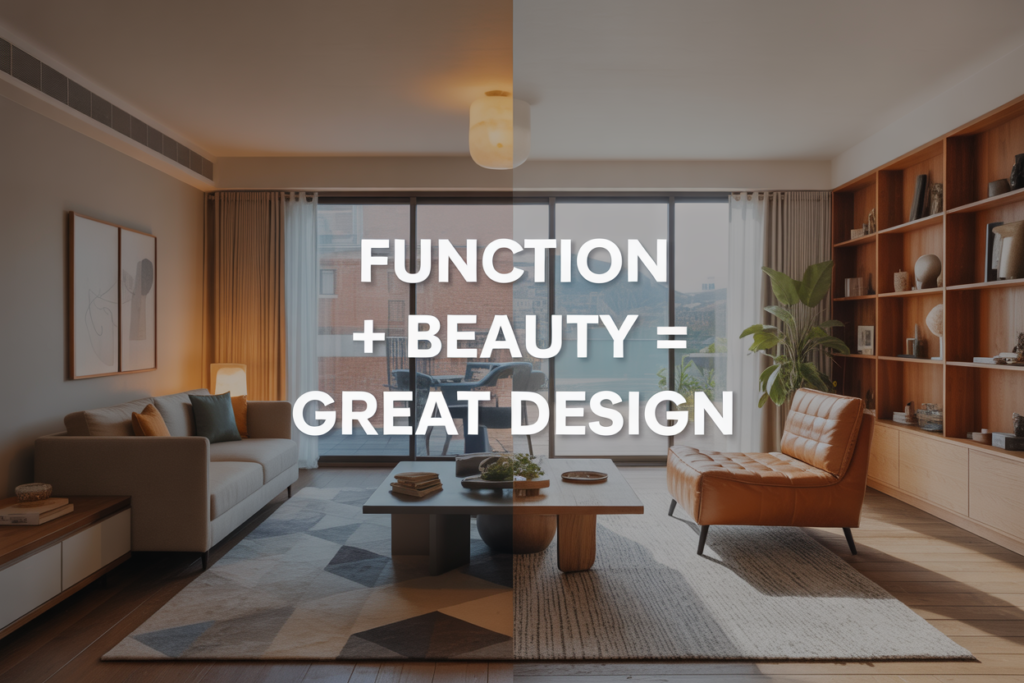
Many hotel owners and hospitality professionals believe interior design is just about making spaces look good. This hotel design myth costs properties millions in lost revenue and operational headaches every year.
Interior design is actually a strategic tool that drives guest satisfaction, staff productivity, and bottom-line results. When done right, it creates spaces that work as hard as they look beautiful.
This guide is for hotel owners, developers, and hospitality managers who want to understand how functional hotel design impacts their operations and guest experience. We’ll explore why form follows function in successful properties, how the psychology of space affects both guests and staff, and real examples of hotels that prove beautiful spaces can also be incredibly practical.
You’ll discover how proper hotel space planning reduces operational costs, improves staff efficiency, and creates the seamless guest experiences that drive positive reviews and repeat bookings.
Function First: Why Interior Design Goes Beyond Pretty Spaces
The Role of Space Planning in Daily Living
Space planning forms the foundation of effective interior design, determining how people move, work, and live within their environments. In hospitality settings, strategic hotel space planning directly impacts guest satisfaction and operational efficiency. When designers prioritize functional layouts over visual appeal alone, they create spaces that naturally support daily activities, reduce friction in movement patterns, and enhance the overall user experience through thoughtful arrangement of furniture, pathways, and essential amenities.
How Poor Functionality Impacts Quality of Life
Poorly designed spaces create daily frustrations that accumulate over time, affecting productivity, comfort, and well-being. In hotel environments, inadequate functional hotel design leads to guest complaints, operational inefficiencies, and reduced profitability. Common issues include cramped circulation paths, insufficient storage solutions, awkward furniture placement, and lighting that fails to support various activities. These functional failures force occupants to constantly adapt their behavior to compensate for design shortcomings, creating stress and diminishing the space’s intended purpose.
Why Aesthetics Without Purpose Creates Problems
Beautiful spaces that lack functional consideration become burdensome rather than beneficial to their users. When hotel interior design strategy focuses solely on visual impact without addressing operational needs, properties face increased maintenance costs, guest dissatisfaction, and staff inefficiencies. Decorative elements that obstruct movement, seating arrangements that discourage social interaction, or lighting schemes that create glare exemplify how aesthetics without purpose undermines the space’s effectiveness. Successful hospitality design planning requires balancing visual appeal with practical functionality to create environments that truly serve their intended users.
The Science of Flow: Creating Seamless Movement Through Spaces
Understanding Traffic Patterns and Circulation
Now that we have established function as the foundation of design, let’s examine how people naturally move through spaces. Effective hotel space planning requires analyzing guest flow from arrival to departure, ensuring corridors, lobbies, and service areas support seamless navigation. Understanding these patterns prevents bottlenecks and enhances operational efficiency in hotels.
Designing for Natural Human Behavior
Hospitality design planning must accommodate intuitive human movement. Guests instinctively gravitate toward natural light, avoid awkward corners, and prefer clear sight lines. Hotel interior design strategy should leverage these behavioral tendencies, positioning elevators, signage, and amenities where guests expect to find them, reducing confusion and improving the overall guest experience design.
Maximizing Efficiency in Room Layouts
Functional hotel design demands strategic placement of furniture and fixtures to optimize both guest comfort and housekeeping operations. Hotel operations planning benefits when room layouts facilitate quick cleaning cycles while maintaining spaciousness. Smart hotel development planning considers service corridors, storage accessibility, and maintenance requirements, ensuring spaces work harmoniously for both guests and staff throughout daily operations.
Form Follows Function: Balancing Beauty with Practicality
How Functional Design Naturally Creates Visual Appeal
When hospitality design planning prioritizes purpose over decoration, spaces achieve an inherent elegance that surpasses purely aesthetic approaches. In hotel interior design strategy, the most visually striking elements often emerge from solving practical challenges—curved reception desks that guide guest flow naturally create sculptural focal points, while strategic lighting that illuminates task areas simultaneously establishes mood and ambiance.
Choosing Furniture That Serves Multiple Purposes
Smart hotel development planning incorporates multifunctional pieces that maximize both utility and visual impact. Ottoman storage benches in lobby areas provide seating, storage, and flexible arrangement options while maintaining clean lines. Expandable dining tables in suite accommodations offer intimate dining for two or conference space for four, demonstrating how operational efficiency in hotels can enhance rather than compromise design sophistication.
Storage Solutions That Enhance Rather Than Hide
Effective hotel space planning transforms necessary storage from hidden necessities into design features. Built-in wardrobes with integrated lighting become architectural elements, while open shelving systems display curated amenities as decorative objects. In guest experience design, visible organization systems—like elegant luggage racks or boutique-style clothing displays—communicate luxury while serving essential functions, proving that functional hotel design naturally elevates the overall aesthetic experience.
Psychology of Space: How Design Affects Mood and Productivity
The Impact of Lighting on Mental Well-being
Now that we’ve covered how design balances beauty with practicality, let’s explore the psychological dimension. Proper lighting design directly impacts guest mood and staff productivity in hospitality environments. Natural light exposure regulates circadian rhythms, improving sleep quality and energy levels. Strategic artificial lighting creates ambiance while supporting functional activities, from focused work areas to relaxing social spaces, demonstrating how thoughtful hotel design strategy extends beyond aesthetics to enhance human well-being.
Color Psychology for Functional Benefits
Color choices in hotel interior design strategy serve operational purposes beyond visual appeal. Warm colors like earth tones create welcoming atmospheres in lobbies, encouraging longer stays and positive guest experiences. Cool blues and greens in spa areas promote relaxation, while energizing yellows in breakfast areas stimulate appetite and conversation. These functional color applications support hotel operations planning by influencing guest behavior and staff performance.
Creating Zones for Different Activities
Previously, we’ve seen how lighting and color affect psychology. Hotel space planning requires careful zone creation to optimize both guest experience design and operational efficiency. Quiet work areas with focused lighting serve business travelers, while social zones with ambient lighting encourage interaction. This functional hotel design approach ensures each space serves its intended purpose while maintaining visual cohesion throughout the property, supporting successful hotel development planning.
Real-World Examples: Spaces That Work as Hard as They Look
Small Space Solutions That Maximize Every Square Foot
Previously, we’ve explored how functional design principles shape spaces. Now that we understand the importance of form following function, let’s examine real-world applications where every square inch counts. Hotel design strategy often demonstrates the ultimate small space challenge, where guest rooms must accommodate sleeping, working, storage, and relaxation within minimal square footage. Professional hospitality design planning incorporates multi-functional furniture like ottoman storage, wall-mounted desks that fold away, and built-in wardrobes that maximize vertical space while maintaining guest experience design standards.
Family-Friendly Designs That Handle Daily Chaos
With operational efficiency in mind, family spaces require strategic planning similar to hotel operations planning. Functional hotel design principles translate perfectly to homes where durability meets beauty. Consider mudroom designs with individual cubbies, built-in seating with hidden storage, and kitchen islands that serve as homework stations, dining surfaces, and prep areas. These solutions mirror hospitality project development approaches where every element must serve multiple purposes while withstanding heavy daily use.
Professional Spaces That Boost Performance
Hotel architecture strategy principles apply directly to professional environments where design directly impacts productivity. Modern hotel space planning emphasizes clear sight lines, natural light optimization, and ergonomic furniture placement – concepts that translate seamlessly to offices. Functional hotel design elements like flexible meeting spaces, technology integration, and circulation patterns that minimize disruption create environments where both aesthetics and performance converge, proving that beautiful spaces can indeed work as hard as they look.
Conclusion
The myth that interior design is purely about aesthetics has led countless homeowners and businesses to create spaces that look stunning but fail to serve their intended purpose. As we’ve explored, truly exceptional design seamlessly integrates function with form, prioritizing how spaces flow and work before considering how they appear. The science of movement, the psychology of spatial design, and the careful balance between beauty and practicality all contribute to environments that enhance rather than hinder daily life.
When you embark on your next design project, challenge yourself to think beyond the surface. Ask how each element will be used, how people will move through the space, and how the environment will affect mood and productivity. The most successful interiors are those that work as hard as they look – spaces where thoughtful functionality creates its own understated beauty. Remember, great design isn’t about choosing between form and function; it’s about achieving both in perfect harmony
.